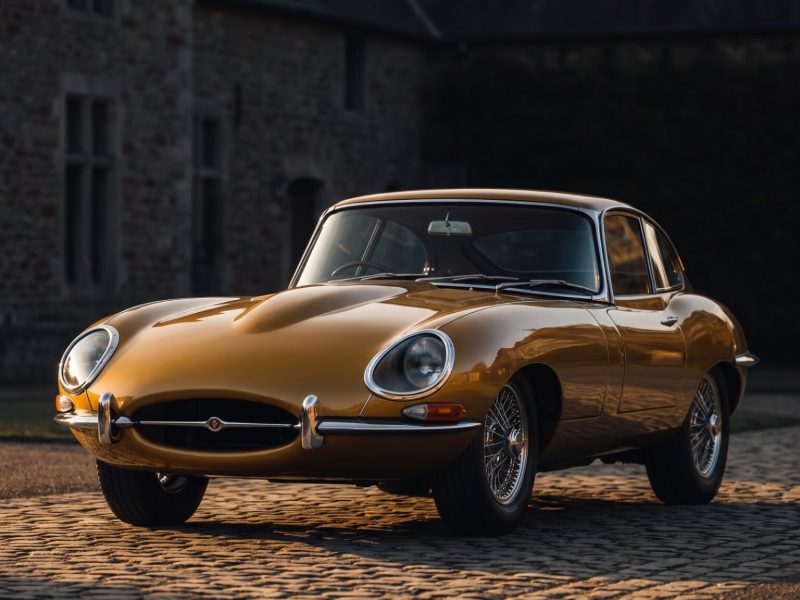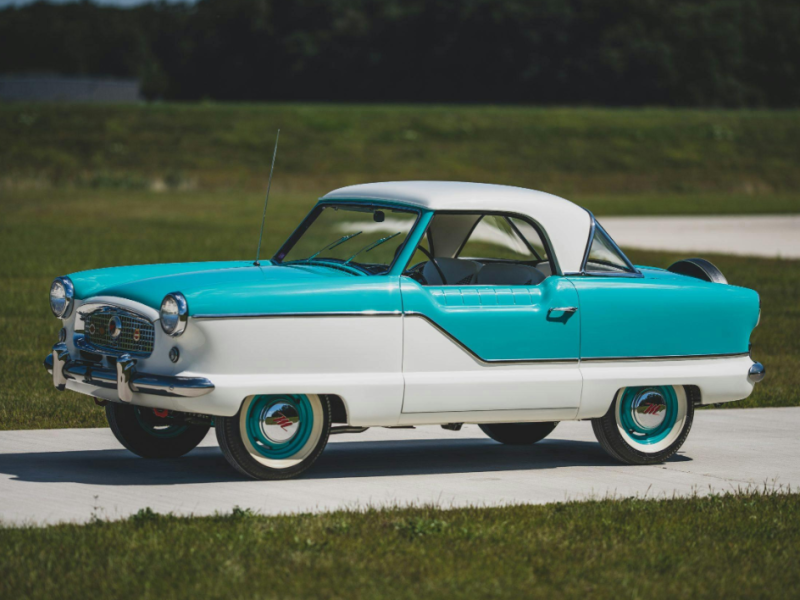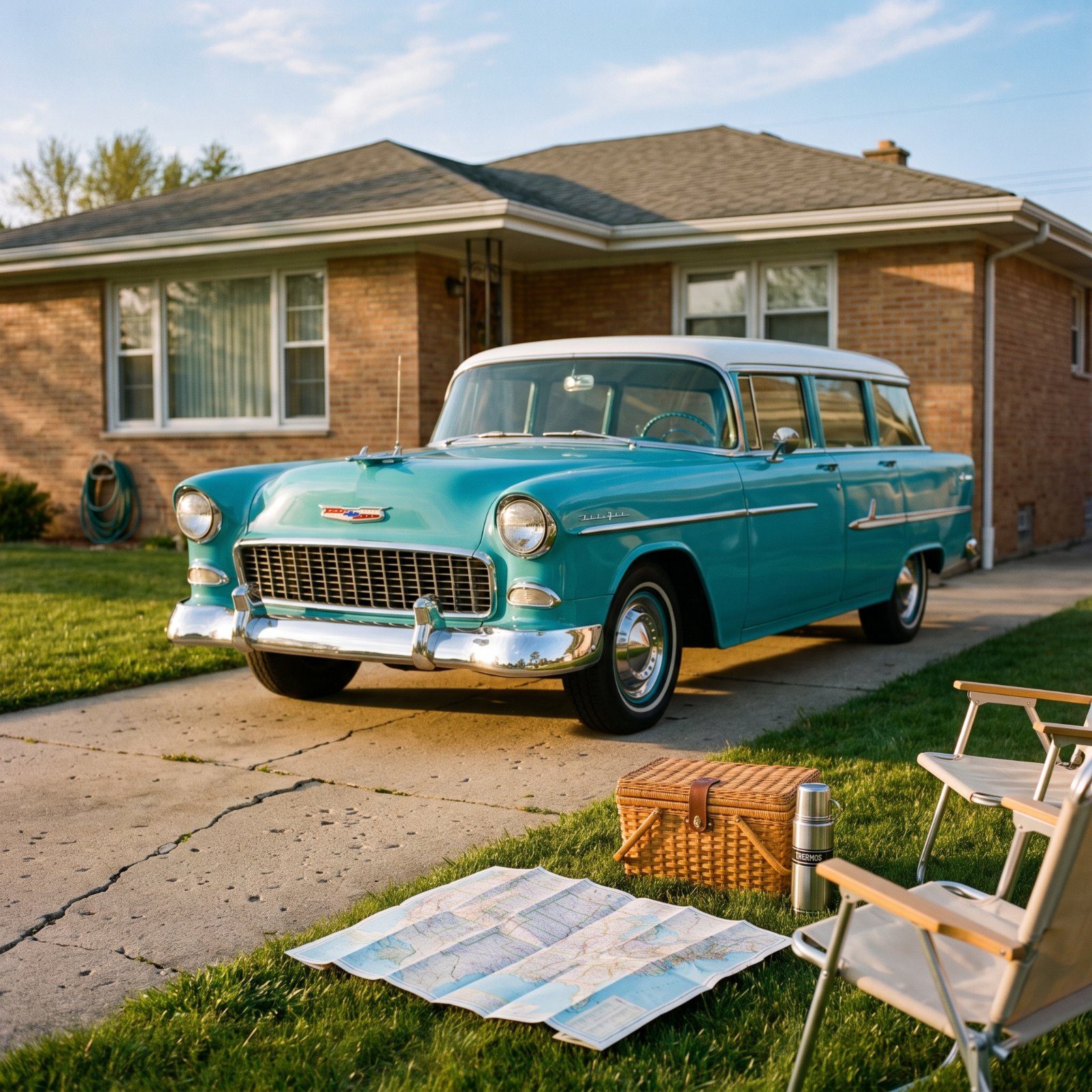
From chrome-covered American family cruisers to European performance estates and unforgettable wood-paneled classics, these 49 station wagons prove that practical cars can have extraordinary personalities.
There was a time when the station wagon was the ultimate family vehicle.
Before SUVs filled suburban driveways, station wagons carried children to school, transported camping equipment, hauled groceries, and traveled thousands of miles on family vacations.
They weren’t always glamorous. Some were enormous, some were painfully slow, and others featured enough imitation wood paneling to decorate an entire living room.
But they had something many modern vehicles struggle to capture: personality.
Classic station wagons combined distinctive styling, practical interiors, comfortable road manners, and an unmistakable sense of adventure.
Today, modern SUVs offer advanced technology, improved safety, and impressive versatility. Yet automotive enthusiasts increasingly appreciate old station wagons for reasons that go beyond nostalgia.
Some had powerful V8 engines. Others introduced groundbreaking engineering. A few were so unusual that nothing quite like them exists today.
And then there were the family wagons that became unforgettable simply because they represented an entire generation of road trips and everyday life.
Here are 49 classic station wagons that show why the humble family estate deserves far more recognition.
Why Classic Station Wagons Still Capture Our Imagination
The appeal of an old station wagon isn’t simply that it has a large cargo area.
It’s the combination of design, history, practicality, and driving character.
Many classic wagons were lower than today’s SUVs, making them easier to load and giving them a more car-like driving experience.
Their long roofs created generous luggage compartments, while their extended rear bodies gave designers opportunities to develop distinctive shapes.
American manufacturers experimented with dramatic tailfins, sweeping chrome trim, and woodgrain finishes.
European brands focused on efficient packaging, long-distance comfort, and performance.
Japanese manufacturers developed compact, durable wagons that became dependable family companions.
Not every old wagon was better than a modern SUV. Older vehicles generally lack today’s crash protection, driver-assistance systems, and refinement.
But when it comes to visual identity and historical charm, these classics have plenty to offer.
1. The Great American Station Wagons

1. Chevrolet Nomad (1955–1957)
The Chevrolet Nomad is one of the most recognizable American station wagons ever produced.
Its two-door body, distinctive roofline, and dramatic 1950s styling made it far more exciting than an ordinary family vehicle.
Unlike many practical wagons of its era, the Nomad looked almost like a custom show car straight from the factory.
Today, its rarity and distinctive appearance make it highly desirable among classic Chevrolet enthusiasts.
2. Ford Country Squire (1950–1991)
Few station wagons capture American family life quite like the Ford Country Squire.
Known for its woodgrain exterior treatment on many versions, the Country Squire became a symbol of suburban road trips and large family vacations.
Its spacious interior and comfortable ride made it a natural choice for long-distance travel.
Modern SUVs offer similar family utility, but few possess the Country Squire’s unmistakable retro charm.
3. Buick Roadmaster Estate Wagon (1991–1996)
The final-generation Buick Roadmaster Estate Wagon combined traditional American luxury with enormous cargo capacity.
Its rear-wheel-drive layout and available 5.7-liter V8 made it especially interesting during an era when many family vehicles were becoming smaller.
The Roadmaster was comfortable, powerful, and unapologetically large.
For enthusiasts, it represents one of the last great full-size American station wagons.
4. Chevrolet Bel Air Beauville Wagon (1955–1957)
The Chevrolet Bel Air Beauville brought the colorful styling of the 1950s to practical family transportation.
With its bright paint combinations, chrome details, and generous seating, it offered families a vehicle that was both useful and attractive.
Its design perfectly reflects the optimism of postwar American automobile culture.
5. Oldsmobile Vista Cruiser (1964–1977)

The Oldsmobile Vista Cruiser was famous for its distinctive raised roof and additional glass panels.
These features created an airy cabin and improved visibility for passengers.
The design was especially appealing for family trips, allowing occupants to enjoy more of the surrounding scenery.
Modern panoramic roofs offer a similar experience, but the Vista Cruiser achieved it with unmistakable 1960s styling.
6. Pontiac Safari (1955–1957)
The early Pontiac Safari was closely related to the Chevrolet Nomad but featured Pontiac’s own distinctive styling.
Its sleek two-door wagon body made it stand apart from conventional family cars.
The Safari demonstrated that a station wagon could be both practical and fashionable.
Today, it remains a fascinating example of mid-century American automotive design.
7. Chrysler Town & Country (1941–1988 Wagon Generations)
Long before the Town & Country name became associated with minivans, Chrysler used it on distinctive station wagons.
Early versions featured genuine wood construction and elaborate craftsmanship.
Later generations evolved into large, comfortable family vehicles.
The name became closely associated with luxury-oriented American transportation.
8. Mercury Colony Park (1957–1991)
The Mercury Colony Park offered upscale styling and comfort in a large station wagon.
Many examples featured woodgrain exterior trim, luxurious interiors, and substantial cargo capacity.
It was designed for families who wanted practicality without sacrificing a sense of prestige.
Today, its enormous proportions and classic appearance make it a memorable survivor of the traditional American wagon era.
9. AMC Eagle Wagon (1980–1988)

The AMC Eagle Wagon was remarkably forward-thinking.
It combined a passenger-car body with increased ground clearance and four-wheel drive.
In many ways, it anticipated the crossover SUV concept that would become enormously popular decades later.
The Eagle is particularly interesting because it offered some SUV-like capabilities without abandoning the familiar station wagon shape.
10. Dodge Magnum (2005–2008)
The Dodge Magnum brought American performance styling to a modern station wagon.
Its muscular bodywork and available HEMI V8 engines made it a distinctive alternative to conventional family vehicles.
The high-performance SRT8 version was particularly memorable.
Unlike most traditional wagons, the Magnum looked aggressive and sporty, proving that practicality and performance could coexist.
2. European Station Wagons That Made Practicality Exciting

11. Mercedes-Benz W123 Estate (1978–1985)
The Mercedes-Benz W123 Estate became famous for its robust engineering and practical design.
It combined the comfort of a premium sedan with a spacious cargo area.
Many examples covered exceptionally high mileages when properly maintained.
Its restrained styling and reputation for durability helped establish Mercedes-Benz estates as serious alternatives to large family cars.
12. Volvo 240 Estate (1974–1993)
Few vehicles are more closely associated with durability than the Volvo 240 Estate.
Its boxy design created a remarkably useful interior, while its straightforward mechanical layout appealed to owners who valued long-term reliability.
The Volvo 240 was never intended to look exotic.
Instead, it became beloved for its honesty, practicality, and unmistakable Scandinavian character.
13. Volvo 850 T-5R Estate (1995)

The Volvo 850 T-5R challenged expectations about family wagons.
With its turbocharged five-cylinder engine and distinctive styling, it delivered impressive performance in a practical package.
Its motorsport connections also helped establish Volvo’s reputation for surprisingly fast estates.
Today, the T-5R is a celebrated performance wagon with a strong enthusiast following.
14. Audi RS2 Avant (1994–1995)
The Audi RS2 Avant was developed with assistance from Porsche.
Its turbocharged five-cylinder engine, all-wheel drive, and exceptional performance made it one of the most exciting wagons of the 1990s.
The RS2 demonstrated that a family estate could deliver acceleration comparable to serious sports cars.
It helped establish the high-performance Audi Avant tradition.
15. BMW E34 M5 Touring (1992–1995)
The BMW E34 M5 Touring combined a high-revving six-cylinder engine with the practicality of a five-door estate.
Built in relatively small numbers, it offered a rare combination of performance, luxury, and everyday usability.
Its understated appearance made it particularly appealing to enthusiasts who preferred subtle performance cars.
16. Saab 95 (1959–1978)
The Saab 95 was a compact station wagon with an unconventional personality.
Early examples used two-stroke engines, while later versions adopted four-stroke power.
Its practical rear compartment and distinctive Swedish styling made it an interesting family vehicle.
The Saab 95 reflected a period when manufacturers were willing to experiment with unusual mechanical and design solutions.
17. Peugeot 504 Break (1971–1983)

The Peugeot 504 Break was known for its spacious interior, comfortable suspension, and ability to cope with difficult road conditions.
It became popular in regions where durability and load-carrying capability mattered more than luxury.
Its long roof and practical design made it a dependable family and commercial vehicle.
18. Citroën DS Break (1958–1975)
The Citroën DS Break combined futuristic French styling with exceptional practicality.
Its hydropneumatic suspension helped provide a comfortable ride even when carrying substantial loads.
The car’s unusual design and engineering made it unlike almost anything else on the road.
Even today, the DS Break looks remarkably distinctive.
19. Renault 16 (1965–1980)
Although technically a large hatchback rather than a conventional station wagon, the Renault 16 deserves recognition for its influence on practical family-car design.
Its flexible interior and rear hatch made it easier to transport luggage and everyday items.
It helped demonstrate that family cars could be more versatile than traditional sedans.
20. Opel Omega Caravan (1986–2003)
The Opel Omega Caravan offered generous cargo space and comfortable long-distance transportation.
Its rear-wheel-drive layout and range of engines made it appealing to families and business users.
The Omega Caravan represented the classic European approach to combining sedan-like driving manners with estate-car practicality.
3. Japanese Wagons That Became Unexpected Legends

21. Subaru Legacy GT Wagon (1990s)
The Subaru Legacy GT Wagon combined turbocharged performance with the confidence of all-wheel drive in many markets.
It was particularly appealing to drivers who needed a practical vehicle for challenging weather conditions.
Its combination of performance and everyday usability helped establish Subaru’s reputation for capable sporting wagons.
22. Subaru Impreza WRX Sport Wagon (1990s–2000s)
The Impreza WRX wagon offered rally-inspired performance in a compact and practical body.
Its turbocharged engine and all-wheel-drive system made it exciting to drive.
Unlike many conventional family cars, it offered serious enthusiast appeal without sacrificing a useful rear cargo area.
23. Toyota Corolla Wagon (Various Generations)
The Toyota Corolla Wagon focused on affordable, dependable transportation.
It provided the reliability associated with the Corolla name while offering additional luggage space.
Its simple design and economical running costs made it a sensible choice for families and small businesses.
While not especially glamorous, it represents the practical strengths that made station wagons so popular.
24. Nissan Stagea 260RS Autech Version (1997–2001)

The Nissan Stagea 260RS Autech Version is one of Japan’s most fascinating performance wagons.
It featured the RB26DETT twin-turbocharged engine associated with the Nissan Skyline GT-R.
This gave it an extraordinary combination of family-car practicality and serious performance potential.
Its unusual engineering makes it highly desirable among Japanese performance-car enthusiasts.
25. Mitsubishi Lancer Evolution IX Wagon (2005–2006)
The Mitsubishi Lancer Evolution IX Wagon brought rally-inspired engineering to a practical estate body.
With turbocharged performance and advanced all-wheel-drive technology, it offered an unusual alternative to conventional sports cars.
Its limited production and distinctive character make it a particularly interesting modern classic.
26. Honda Accord Aerodeck (1980s)
The Honda Accord Aerodeck featured a sleek, low roofline and an unusual three-door body.
It combined sporty styling with the usefulness of an extended rear cargo area.
The Aerodeck was a reminder that station wagons didn’t always need traditional boxy proportions.
27. Toyota Crown Estate (1999–2007)
The Toyota Crown Estate combined luxury, rear-wheel-drive engineering, and a spacious wagon body.
It offered a refined alternative to conventional family vehicles.
Certain versions featured powerful engines, giving the Crown Estate a combination of comfort and performance.
Its understated design makes it particularly appealing to enthusiasts of Japanese domestic-market vehicles.
28. Mazda 6 MPS-Style Performance Wagon Era
The first-generation Mazda6 wagon offered sporty styling, responsive handling, and practical cargo space.
Although the Mazda6 MPS was produced as a sedan rather than a factory performance wagon, the regular Mazda6 estate still provided a more engaging driving experience than many traditional family cars.
Its sleek appearance helped show that mainstream wagons could look athletic and modern.
29. Nissan Skyline Wagon (Early Generations)
Before the Skyline name became internationally famous for performance coupes and sedans, certain generations included practical estate versions.
These vehicles combined familiar Nissan engineering with everyday cargo capacity.
Their unusual place in Skyline history makes them interesting to collectors and enthusiasts.
30. Toyota Caldina GT-Four (1997–2007)

The Toyota Caldina GT-Four was a practical wagon with a surprisingly serious performance focus.
Turbocharged engines and all-wheel-drive systems gave certain versions impressive capability.
It offered a distinctive combination of family transportation and sporty driving.
Today, the Caldina GT-Four remains a lesser-known but fascinating Japanese performance wagon.
4. Rare and Unusual Station Wagons That Deserve More Attention

31. Studebaker Wagonaire (1963–1966)
The Studebaker Wagonaire featured one of the cleverest ideas ever fitted to a family wagon: a sliding rear roof section.
With the roof retracted, owners could carry unusually tall objects that wouldn’t fit inside a conventional enclosed station wagon.
It was an innovative solution to a problem that modern pickup trucks and utility vehicles often handle today.
The Wagonaire remains a fascinating example of creative automotive packaging.
32. Chevrolet Corvair Lakewood (1961–1962)
The Chevrolet Corvair Lakewood was an unusual compact station wagon featuring a rear-mounted, air-cooled engine.
This unconventional layout distinguished it from most American family vehicles of the early 1960s.
Its distinctive engineering and short production life make it especially interesting to collectors.
33. Rambler American Wagon (1958–1969)
The Rambler American Wagon offered compact dimensions and economical transportation during an era when many American cars were growing larger.
Its straightforward design made it practical for families who wanted extra cargo capacity without purchasing a full-size vehicle.
Today, it represents an important chapter in the history of affordable American automobiles.
34. Plymouth Suburban (1949–1978)
The Plymouth Suburban name appeared on several generations of practical American station wagons.
Early versions helped popularize all-steel wagon construction, while later models offered the size and comfort associated with American family transportation.
Their long roofs and generous interiors made them ideal for road trips.
35. Packard Station Sedan (1948–1950)

The Packard Station Sedan combined luxury-car engineering with distinctive wood-trimmed bodywork.
Unlike basic utility wagons, it offered a more sophisticated interpretation of family transportation.
Its craftsmanship and elegant appearance reflected a period when premium manufacturers experimented with practical body styles.
Surviving examples are particularly interesting because of their distinctive construction and historical significance.
36. Nash Rambler Custom Wagon (1950s)
The Nash Rambler wagon offered compact proportions and practical design at a time when large American automobiles dominated the market.
Its relatively small dimensions made it easier to maneuver and park.
The Rambler helped demonstrate that American families didn’t necessarily need enormous cars to enjoy useful cargo space.
37. Edsel Villager (1958–1960)
The Edsel Villager was part of Ford’s short-lived Edsel brand.
It offered conventional station wagon practicality wrapped in distinctive late-1950s styling.
Although the Edsel brand was commercially unsuccessful, its vehicles have become fascinating reminders of one of America’s most famous automotive marketing disappointments.
The Villager’s rarity gives it particular appeal among collectors.
38. Pontiac Grand Safari (1971–1978)
The Pontiac Grand Safari was an enormous American station wagon designed for comfortable family travel.
It offered substantial passenger capacity, a spacious cargo area, and the bold styling associated with full-size Pontiacs.
Certain versions featured General Motors’ innovative clamshell tailgate arrangement.
Its scale and design make it a dramatic contrast to many modern crossover SUVs.
39. Chevrolet Caprice Classic Wagon (1970s–1990s)

The Chevrolet Caprice Classic Wagon represented traditional American family transportation at its most spacious.
Its comfortable ride, long body, and generous luggage compartment made it suitable for extended road trips.
Many versions featured V8 engines and rear-wheel drive.
For enthusiasts, the Caprice wagon captures the character of an era when large family cars were built primarily for relaxed highway cruising.
40. Ford LTD Country Squire (1970s–1980s)
The Ford LTD Country Squire was one of the most recognizable woodgrain-trimmed family vehicles of its generation.
Its enormous interior could accommodate passengers, luggage, and holiday equipment.
The Country Squire became deeply associated with American suburban life.
Modern SUVs may offer similar seating arrangements, but the LTD’s long, low body and decorative styling give it an unmistakably different personality.
5. Performance Wagons That Could Surprise Sports Cars

41. Audi RS6 Avant C5 (2002–2004)
The first-generation Audi RS6 Avant proved that a practical family wagon could deliver serious performance.
Its twin-turbocharged V8 engine produced approximately 450 metric horsepower in standard European specification.
Combined with quattro all-wheel drive, the RS6 offered remarkable acceleration for a vehicle capable of carrying a family’s luggage.
Its understated appearance made it particularly appealing to enthusiasts.
42. Mercedes-Benz E55 AMG Estate W211 (2003–2006)
The W211-generation E55 AMG Estate combined luxurious family transportation with extraordinary power.
Its supercharged 5.4-liter V8 delivered approximately 476 metric horsepower in European specification.
Despite its practical body, it could accelerate with the urgency of a serious performance car.
The E55 AMG Estate demonstrated that a wagon could be both exceptionally comfortable and thrilling to drive.
43. BMW E61 M5 Touring (2007–2010)

The BMW E61 M5 Touring was among the most extraordinary performance wagons ever manufactured.
Its naturally aspirated 5.0-liter V10 engine produced approximately 507 metric horsepower.
That engine was paired with a practical estate body capable of handling everyday family duties.
The combination of a high-revving V10 and a spacious luggage compartment makes the M5 Touring especially memorable.
44. Mercedes-Benz C63 AMG Estate W204 (2008–2014)
The W204 C63 AMG Estate featured a naturally aspirated 6.2-liter V8 with a distinctive exhaust note.
It combined muscular styling, rear-wheel drive, and substantial performance with the usefulness of an estate.
Unlike many ordinary family wagons, the C63 offered an unmistakably aggressive driving character.
Its engine has become one of the defining features of this generation of AMG vehicles.
45. Cadillac CTS-V Sport Wagon (2011–2014)

The Cadillac CTS-V Sport Wagon is one of the most unusual American performance vehicles of the modern era.
It featured a supercharged 6.2-liter V8 producing 556 horsepower in US specification.
Buyers could even choose a manual transmission.
That combination of enormous power, rear-wheel drive, and a practical wagon body made it a truly distinctive alternative to performance sedans and SUVs.
46. Volvo V70 R (2003–2007)
The Volvo V70 R combined Swedish practicality with turbocharged five-cylinder performance.
Its all-wheel-drive system and advanced suspension technology made it a capable long-distance performance estate.
The V70 R maintained Volvo’s traditional focus on usefulness while adding a genuinely sporting character.
It remains a favorite among enthusiasts who appreciate subtle performance cars.
47. Subaru Legacy 2.5GT Spec.B Wagon (Market-Dependent Versions)
Certain international markets received particularly desirable sporting versions of the Subaru Legacy wagon.
Turbocharged engines, all-wheel drive, and carefully tuned chassis components made these vehicles enjoyable on challenging roads.
The availability of specific Spec.B wagon configurations varied by market and model year.
For enthusiasts, these Legacy variants offer an appealing blend of discreet styling and performance.
48. Volkswagen Passat W8 Variant (2001–2004)

The Volkswagen Passat W8 Variant was an unusual experiment in luxury and engineering.
Its compact eight-cylinder W8 engine was unlike the powertrains fitted to most mainstream family wagons.
Combined with all-wheel drive, it offered a refined and distinctive driving experience.
The W8 was complicated and relatively expensive to maintain, but its unusual engine makes it fascinating today.
49. Jaguar X-Type Estate (2004–2009)

The Jaguar X-Type Estate brought traditional British luxury styling to a practical family vehicle.
It combined a spacious rear luggage compartment with the wood-trimmed interiors and elegant design associated with Jaguar.
Available diesel and petrol engines appealed to different buyers, while certain petrol versions featured all-wheel drive.
Although it never achieved the fame of Jaguar’s classic sports cars, the X-Type Estate offered a distinctive alternative to conventional premium family vehicles.
Why Do Old Station Wagons Feel More Special Than Modern SUVs?

After exploring these 49 examples, several reasons explain why classic station wagons continue to attract enthusiasts.
1. Their Designs Were More Distinctive
Classic wagons featured everything from dramatic chrome trim to woodgrain panels and unusual rear windows.
Manufacturers experimented with rooflines, tailgates, and interior layouts.
Today, many SUVs share similar proportions because manufacturers must balance aerodynamics, safety requirements, packaging, and consumer preferences.
2. They Often Had More Car-Like Driving Characteristics
Traditional station wagons were usually based on sedans or passenger-car platforms.
Their lower bodies and seating positions often provided a driving experience closer to a conventional car.
Modern SUVs have improved enormously, but many still sit higher than equivalent wagons.
3. Some Offered Extraordinary Engines
From Cadillac’s supercharged V8 to BMW’s naturally aspirated V10, performance wagons have featured some remarkable engines.
These vehicles demonstrated that buyers didn’t have to choose between carrying luggage and enjoying powerful performance.
4. They Were Built for Real Family Adventures
Station wagons became synonymous with long road trips, camping holidays, and family travel.
Their large luggage compartments made them ideal for carrying suitcases, picnic baskets, bicycles, and holiday equipment.
For many people, they represent memories of childhood journeys and family adventures.
5. They Have Become Part of Automotive History
Many classic wagons represent manufacturing techniques, design trends, and engineering ideas that are no longer common.
Owning one can feel like preserving a small piece of motoring history.
Classic Station Wagons vs. Modern SUVs: Which Is Better?
| Feature | Classic station wagon | Modern SUV |
|---|---|---|
| Styling | Distinctive vintage character | Contemporary styling |
| Driving position | Usually lower | Usually higher |
| Cargo space | Often long, flat load area | Often tall, versatile cargo area |
| Fuel economy | Varies; many large classics consume more fuel | Often better, especially hybrid models |
| Safety | Generally lacks modern protection | Advanced safety systems |
| Technology | Simple or period-specific | Modern infotainment and assistance |
| Maintenance | Can require specialist parts and knowledge | Better everyday service support |
| Collector appeal | Strong for desirable classics | Depends on model and rarity |
| Everyday convenience | Limited by age and condition | Generally superior |
Modern SUVs are usually the more sensible choice for drivers prioritizing current safety technology, warranties, and everyday convenience.
Classic station wagons, however, offer an experience that cannot be measured entirely through specifications.
Their appeal lies in the connection between design, engineering, history, and nostalgia.
Which Classic Station Wagons Are the Most Collectible?

Some station wagons have developed particularly strong enthusiast followings.
The Chevrolet Nomad is highly desirable because of its distinctive styling and limited production.
The Audi RS2 Avant has become a performance-car icon.
The Volvo 850 T-5R is celebrated for its unusual combination of boxy practicality and turbocharged performance.
The Cadillac CTS-V Sport Wagon is especially interesting because of its powerful V8 and available manual transmission.
Meanwhile, models such as the Mercedes-Benz W123 Estate and Volvo 240 Estate appeal to collectors who value classic design and mechanical character.
Collector prices can vary dramatically depending on condition, mileage, originality, location, and service history.
A rare wagon in exceptional condition may command a substantial premium over an ordinary example.
Frequently Asked Questions
Why did station wagons become less popular?
Station wagons lost market share in many countries as minivans and SUVs became more popular.
Higher seating positions, available all-wheel drive, flexible interiors, and changing consumer preferences helped SUVs dominate family-car sales.
However, wagons remain popular in certain European markets.
Are old station wagons reliable?
Some classic wagons have strong reputations for durability, particularly well-maintained examples from Volvo, Mercedes-Benz, and Toyota.
However, reliability depends heavily on maintenance history, age, corrosion, and the availability of replacement parts.
Are station wagons better than SUVs for long road trips?
A station wagon can be an excellent road-trip vehicle because of its comfortable driving position, long cargo area, and often car-like handling.
Modern SUVs may offer advantages in ground clearance, cabin height, seating flexibility, and available equipment.
The better choice depends on the vehicle and the journey.
What is the fastest classic performance station wagon?
There is no single answer without defining the era and performance measurement.
Vehicles such as the Audi RS6 Avant, BMW M5 Touring, Mercedes-Benz E55 AMG Estate, and Cadillac CTS-V Sport Wagon are among the most notable high-performance wagons of their generations.
Are classic station wagons becoming valuable?
Certain rare and desirable models have become valuable collector vehicles.
However, not every old wagon appreciates in value.
Condition, rarity, historical importance, originality, and enthusiast demand play major roles.
Final Thoughts: The Station Wagon Deserves a Comeback
The rise of SUVs changed the automotive industry, but it didn’t erase the charm of the traditional station wagon.
From the elegant Chevrolet Nomad to the powerful Cadillac CTS-V Sport Wagon, these 49 vehicles demonstrate just how diverse and fascinating wagons can be.
Some were designed for comfort.
Others were built for practicality.
A few were created to deliver astonishing performance.
And many became unforgettable simply because they were part of everyday family life.
Modern SUVs may be more technologically advanced and better suited to many contemporary drivers, but classic station wagons offer something different.
They remind us of a time when automotive manufacturers were willing to experiment with unusual shapes, distinctive engines, and imaginative design features.
Perhaps the greatest thing about an old station wagon is that it doesn’t need to pretend to be an adventure vehicle. For generations of families, it was the adventure.