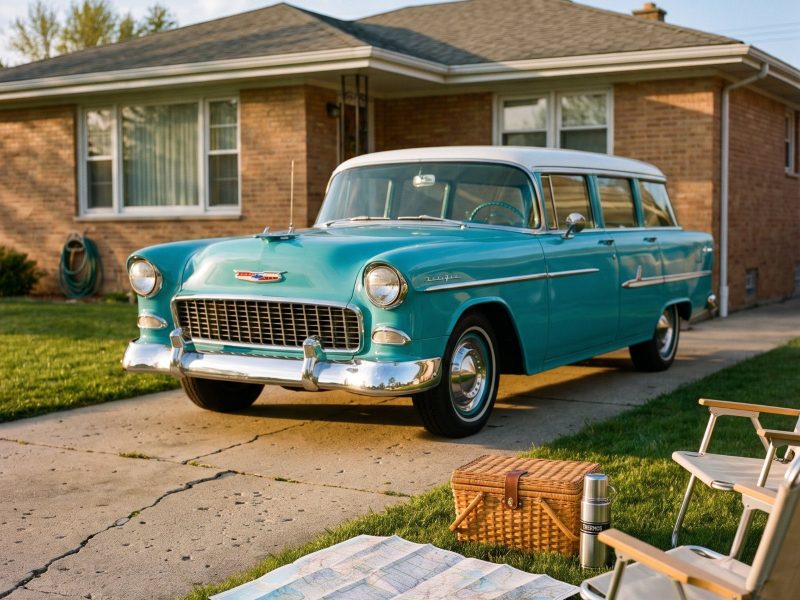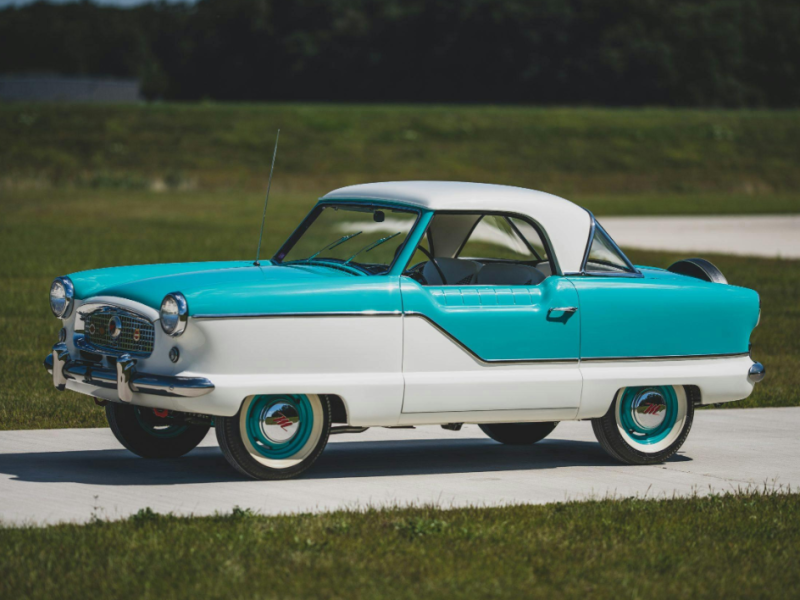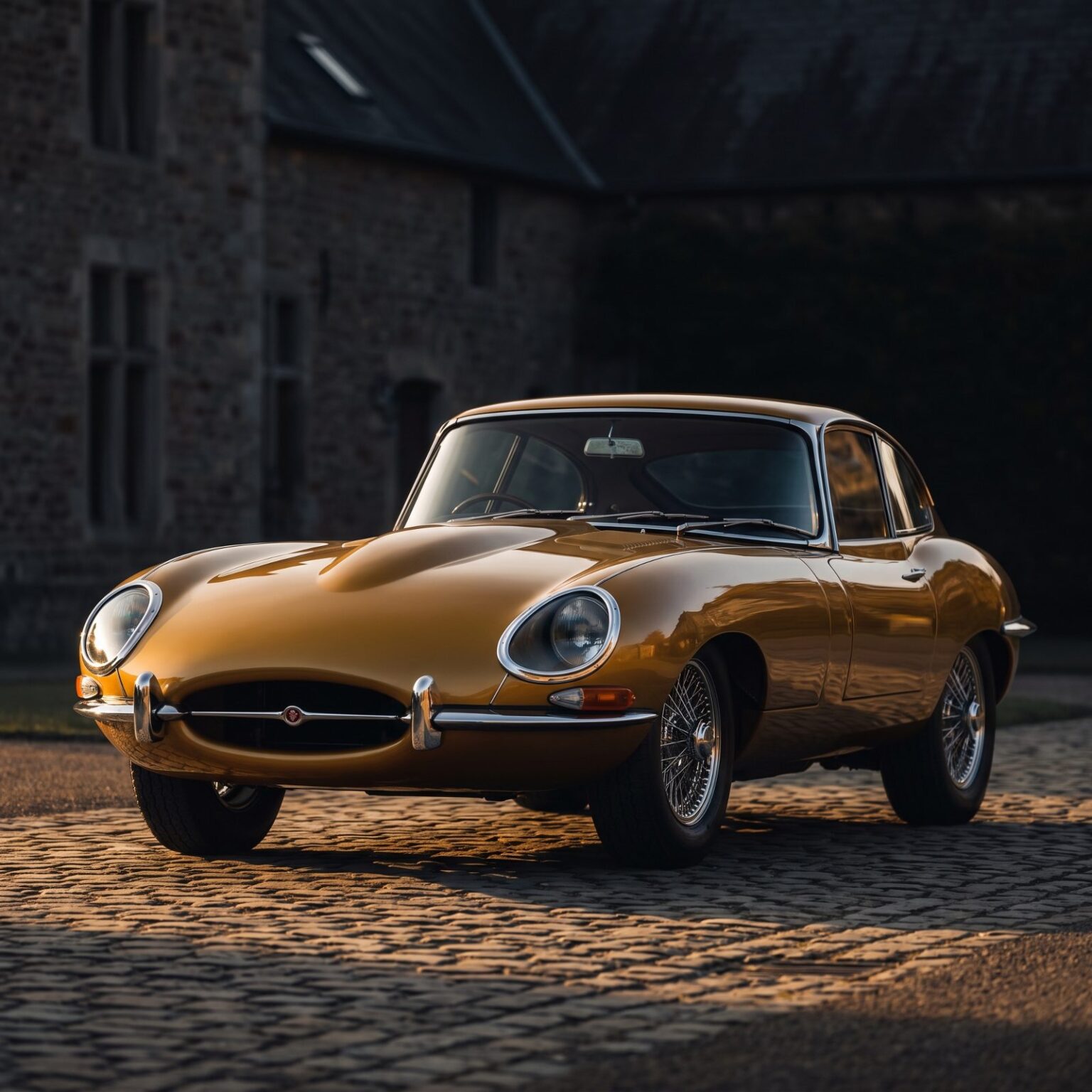
Some cars become more beautiful with every passing decade, while others seem trapped in the era that created them. From elegant European sports cars to unforgettable American muscle machines, these 41 examples reveal why certain automotive designs become timeless classics.
Introduction: Why Some Cars Never Lose Their Beauty
Walk through a classic car show, and you’ll notice something fascinating.
A beautifully preserved Jaguar E-Type from the 1960s can attract just as much attention as a brand-new luxury sports car. A vintage Porsche 911 can still look sophisticated after more than half a century. Even an ordinary-looking vehicle from decades ago can suddenly become desirable when enthusiasts begin appreciating its original design.
But not every old car experiences this transformation.
Some vehicles age gracefully, becoming increasingly admired as the years pass. Others look outdated almost as soon as their production ends.
Why does this happen?
The answer involves much more than nostalgia.
Timeless proportions, distinctive details, engineering, cultural significance, and the emotions associated with particular cars all influence how well a design ages.
A truly timeless automobile doesn’t necessarily look modern. Instead, it remains visually appealing long after the trends that inspired it have disappeared.
Let’s explore 41 fascinating examples of cars that aged beautifully, became interesting with time, or remind us why some automotive styling trends don’t last forever.
What Makes an Old Car Age Beautifully?
Before exploring the individual vehicles, it helps to understand the characteristics that often separate timeless classics from cars that simply look old.
Balanced Proportions
Some of the world’s most admired cars feature carefully balanced relationships between their hoods, cabins, wheels, and bodywork.
These proportions remain attractive even when automotive fashion changes.
Distinctive Design Identity
Cars with recognizable shapes often age better than vehicles designed primarily to follow temporary trends.
A Porsche 911, for example, has maintained a consistent visual identity across generations.
Simplicity and Restraint
Clean body lines and carefully integrated details often remain appealing longer than excessive decorative elements.
However, bold designs can also become classics when their styling is coherent and memorable.
Cultural Significance
Movies, motorsport achievements, technological breakthroughs, and historical events can transform ordinary vehicles into automotive icons.
Rarity and Preservation
A car that was once common can become fascinating when few well-preserved examples remain.
However, rarity alone doesn’t guarantee beauty or collector value.
Part One: European Classics That Became More Beautiful With Time
1. Jaguar E-Type (1961–1975)
Few cars demonstrate timeless automotive beauty better than the Jaguar E-Type.
Its long hood, flowing bodywork, and low stance created a shape that remains instantly recognizable.
The early Series 1 models are particularly admired for their elegant proportions and relatively uncluttered styling.
The E-Type’s design feels special because it combines dramatic visual appeal with a sense of simplicity.
Even today, its shape looks purposeful rather than unnecessarily complicated.
Why it aged beautifully: Exceptional proportions, flowing curves, and an unmistakable identity.
2. Porsche 911 (1964–Present)
The Porsche 911 has evolved continuously while retaining the fundamental characteristics of its original design.
Its rounded headlights, sloping rear roofline, and compact sports-car proportions remain recognizable.
Early air-cooled models have become especially desirable among enthusiasts.
Unlike cars that completely reinvent themselves with every generation, the 911 demonstrates the power of careful design evolution.
Why it aged beautifully: Consistent styling, recognizable proportions, and a strong motorsport heritage.
3. Mercedes-Benz 300 SL Gullwing (1954–1957)
The Mercedes-Benz 300 SL Gullwing looks extraordinary even by modern standards.
Its dramatic upward-opening doors were developed partly because of the car’s structural design.
The combination of a low body, elegant curves, and unusual doors created one of the most distinctive silhouettes in automotive history.
The Gullwing demonstrates that functional engineering solutions can become unforgettable design features.
Why it aged beautifully: Innovative engineering, elegant styling, and instantly recognizable doors.
4. Aston Martin DB5 (1963–1965)
The Aston Martin DB5 combines restrained British elegance with sophisticated grand-touring proportions.
Its smooth bodywork, distinctive grille, and beautifully integrated details give it a refined appearance.
Its association with James Bond also contributed significantly to its lasting cultural appeal.
Unlike aggressively styled sports cars, the DB5 communicates confidence through subtlety.
Why it aged beautifully: Understated luxury, balanced proportions, and cultural significance.
5. Ferrari 250 GT Berlinetta SWB (1959–1962)
The Ferrari 250 GT Short Wheelbase Berlinetta is widely admired for its compact proportions and graceful bodywork.
Its rounded front end, sculpted sides, and elegant roofline create a harmonious design.
The car also possesses an important competition history.
Its beauty comes from the way performance requirements and Italian craftsmanship work together.
Why it aged beautifully: Beautifully balanced styling and genuine motorsport pedigree.
6. Lamborghini Miura (1966–1973)
The Lamborghini Miura helped establish the visual language of the modern mid-engine supercar.
Its extremely low body, dramatic curves, and distinctive headlight surrounds made it look futuristic during the 1960s.
Decades later, the Miura still feels exotic.
Its proportions are so distinctive that it rarely gets mistaken for an ordinary sports car.
Why it aged beautifully: Revolutionary proportions and dramatic Italian styling.
7. Alfa Romeo Spider Series 1 (1966–1969)
The early Alfa Romeo Spider is known for its rounded rear styling, often nicknamed the Duetto or boat-tail design.
Its slim body, open cockpit, and graceful curves create a wonderfully romantic appearance.
It captures the spirit of classic Italian roadsters without excessive decoration.
Why it aged beautifully: Elegant simplicity and classic open-top proportions.
8. BMW 507 (1956–1959)
The BMW 507 is one of the most beautiful roadsters the German manufacturer ever produced.
Its long hood, short rear deck, and subtle curves give it an effortlessly sophisticated appearance.
The design avoids the excessive chrome and dramatic tailfins common on many cars of the same era.
Why it aged beautifully: Clean styling and timeless grand-touring proportions.
9. Mercedes-Benz W123 (1976–1985)
Not every beautifully aging car needs to be an expensive sports machine.
The Mercedes-Benz W123 demonstrates how an ordinary family sedan can become a design classic.
Its upright grille, restrained chrome details, and carefully balanced bodywork give it an unmistakable presence.
The W123 also developed a strong reputation for durability.
Why it aged beautifully: Honest engineering, restrained styling, and enduring practicality.
10. Volvo P1800 (1961–1973)
The Volvo P1800 combines elegant coupe styling with Swedish engineering.
Its long hood, distinctive side character line, and compact cabin create an attractive grand-touring shape.
The car also gained cultural recognition through its appearance in the television series The Saint.
Why it aged beautifully: Graceful proportions, distinctive details, and historical charm.
Part Two: American Classics That Became Automotive Icons
11. Chevrolet Corvette C2 Sting Ray (1963–1967)
The second-generation Chevrolet Corvette remains one of America’s most recognizable sports cars.
Its dramatic fenders, sculpted bodywork, and low stance created a bold appearance.
The 1963 split-window coupe is particularly famous for its distinctive rear-window design.
Why it aged beautifully: Dramatic styling, strong performance identity, and memorable design details.
12. Ford Mustang Fastback (1965–1968)
The first-generation Ford Mustang Fastback became a defining symbol of American performance-car culture.
Its long hood, short rear deck, and sloping roofline created a muscular yet elegant appearance.
The Mustang’s widespread popularity helped make its shape instantly recognizable.
Why it aged beautifully: Iconic proportions and a lasting connection to American car culture.
13. Dodge Charger (1968–1970)
The second-generation Dodge Charger features one of the most memorable shapes of the muscle-car era.
Its broad shoulders, sweeping roofline, and hidden-headlight grille give it an unmistakably aggressive appearance.
Its appearances in popular television and film further strengthened its reputation.
Why it aged beautifully: Powerful visual identity and classic muscle-car proportions.
14. Pontiac GTO (1964–1967)
The early Pontiac GTO helped establish the American muscle-car formula.
Its styling combined familiar midsize-car proportions with sporty details and powerful engine options.
The result was a vehicle that looked confident without becoming excessively complicated.
Why it aged beautifully: Clean design and an important place in muscle-car history.
15. Chevrolet Bel Air (1955–1957)
The Chevrolet Bel Air perfectly captures the optimism of 1950s American automotive design.
Its two-tone paint combinations, bright chrome, and distinctive body shapes make it instantly recognizable.
The 1957 model is especially famous for its dramatic rear fins.
Why it aged beautifully: Memorable period styling and powerful nostalgic appeal.
16. Buick Riviera (1963–1965)
The first-generation Buick Riviera offered sophisticated personal-luxury styling.
Its long hood, sharply defined bodywork, and relatively restrained detailing distinguished it from many other American cars of the period.
The Riviera’s design has become increasingly appreciated for its elegant proportions.
Why it aged beautifully: Sophisticated lines and understated luxury.
17. Cadillac Eldorado (1959)
The 1959 Cadillac Eldorado represents an entirely different approach to timelessness.
Its enormous tailfins and elaborate chrome trim are unmistakably products of their era.
Yet the design has become iconic precisely because it captures that era so completely.
The Eldorado proves that a car doesn’t need understated styling to become historically beautiful.
Why it aged beautifully: Unforgettable visual drama and cultural significance.
18. Lincoln Continental (1961–1969)
The fourth-generation Lincoln Continental is celebrated for its clean, architectural styling.
Its long body, restrained chrome, and distinctive rear-hinged rear doors created a sophisticated appearance.
The design looks especially elegant compared with some heavily decorated luxury cars of the same period.
Why it aged beautifully: Minimalist luxury and strong proportions.
19. Shelby Cobra 289 (1962–1965)
The original small-block Shelby Cobra combines compact British roadster styling with American V8 performance.
Its wide fenders, short body, and purposeful stance create an unforgettable appearance.
The Cobra looks exciting because its design communicates performance without relying on elaborate decoration.
Why it aged beautifully: Lightweight sports-car proportions and legendary performance history.
20. Plymouth Barracuda (1970–1974)
The third-generation Plymouth Barracuda is a striking example of American muscle-car styling.
Its wide stance, long hood, and distinctive front-end design give it a commanding appearance.
High-performance versions, particularly the Hemi ‘Cuda, have become highly desirable collectibles.
Why it aged beautifully: Strong styling, rarity in desirable specifications, and muscle-car heritage.
Part Three: Japanese Cars That Became More Desirable With Age
21. Toyota 2000GT (1967–1970)
The Toyota 2000GT helped demonstrate that Japanese manufacturers could produce sophisticated grand-touring sports cars.
Its flowing bodywork, long hood, and elegant proportions remain visually impressive.
Produced in small numbers, it has become one of Japan’s most celebrated collector cars.
Why it aged beautifully: Exceptional proportions, rarity, and historical importance.
22. Datsun 240Z (1969–1973)
The Datsun 240Z offered attractive sports-car styling at a comparatively accessible price.
Its long hood, compact cabin, and smooth body lines created a timeless appearance.
The car’s popularity helped establish Japanese sports cars as serious competitors internationally.
Why it aged beautifully: Simple, elegant styling and an influential automotive legacy.
23. Mazda RX-7 FD (1992–2002)
The third-generation Mazda RX-7 features smooth curves, compact proportions, and pop-up headlights.
Its styling avoids many of the angular trends associated with earlier sports cars.
The result is a shape that still appears graceful and athletic.
Why it aged beautifully: Aerodynamic curves and restrained performance styling.
24. Honda NSX First Generation (1990–2005)
The original Honda NSX combined supercar proportions with Japanese engineering precision.
Its low body, wide stance, and distinctive cabin shape made it instantly recognizable.
The NSX also became famous for demonstrating that exotic performance could coexist with everyday usability.
Why it aged beautifully: Purposeful design and groundbreaking engineering.
25. Nissan Skyline GT-R R32 (1989–1994)
The R32 Skyline GT-R features understated styling compared with many modern performance cars.
Its relatively simple bodywork conceals advanced engineering and impressive motorsport credentials.
The GT-R’s reputation grew significantly through racing achievements and enthusiast culture.
Why it aged beautifully: Functional styling and legendary performance heritage.
26. Toyota Supra A80 (1993–2002)
The fourth-generation Toyota Supra has become one of the most recognizable Japanese performance cars.
Its rounded body, distinctive rear spoiler, and muscular proportions remain appealing.
Its strong tuning reputation and appearances in popular media helped increase its cultural significance.
Why it aged beautifully: Distinctive styling and lasting enthusiast appeal.
27. Honda S2000 (1999–2009)
The Honda S2000 demonstrates how simple sports-car proportions can remain attractive.
Its long hood, compact cabin, and clean body lines create a classic roadster silhouette.
Its high-revving naturally aspirated engine also contributed to its enthusiast reputation.
Why it aged beautifully: Timeless roadster styling and an engaging driving character.
28. Subaru Impreza 22B STI (1998)
The Subaru Impreza 22B STI became famous for its wide-body design and connection to Subaru’s rally heritage.
Its dramatic wheel arches, large rear wing, and compact proportions create a purposeful appearance.
Unlike purely decorative styling, many of its visual elements communicate performance.
Why it aged beautifully: Rally-inspired design, rarity, and motorsport significance.
29. Mitsubishi Lancer Evolution VI (1999–2001)
The Mitsubishi Lancer Evolution VI reflects the aggressive styling of late-1990s rally-inspired performance cars.
Its prominent spoiler, large air intakes, and muscular bodywork give it a distinctive identity.
The Tommi Mäkinen Edition is especially admired among enthusiasts.
Why it aged beautifully: Authentic rally heritage and functional-looking styling.
30. Lexus LS 400 First Generation (1989–1994)
The original Lexus LS 400 is an example of quiet automotive elegance.
Its styling was conservative, but its proportions and detailing were carefully executed.
Over time, enthusiasts have developed a greater appreciation for its refinement and engineering quality.
Why it aged beautifully: Understated luxury and a reputation for exceptional refinement.
Part Four: Cars That Once Looked Ordinary but Became Fascinating
31. Volkswagen Beetle (1938–2003, Original Design)
The original Volkswagen Beetle is one of the most recognizable automobile designs ever created.
Its rounded body, separate fenders, and compact proportions remained familiar for generations.
Although its appearance was never especially luxurious, its character made it unforgettable.
Why it aged beautifully: Unique shape, simplicity, and enormous cultural significance.
32. Mini Cooper Classic (1959–2000)
The original Mini transformed small-car design through its efficient packaging.
Its compact body, wheels positioned near the corners, and friendly appearance gave it a distinctive identity.
Performance-oriented Cooper versions added sporting appeal.
Why it aged beautifully: Clever engineering and instantly recognizable proportions.
33. Fiat 500 Nuova (1957–1975)
The original Fiat 500 is proof that an inexpensive city car can become a beloved design icon.
Its tiny dimensions, rounded roof, and cheerful appearance give it an unmistakable personality.
The Fiat 500 has become strongly associated with Italian urban life.
Why it aged beautifully: Charming simplicity and cultural nostalgia.
34. Citroën 2CV (1948–1990)
The Citroën 2CV was designed around practical transportation rather than visual glamour.
Its simple construction, unusual proportions, and distinctive suspension created a car unlike almost anything else.
Today, those unconventional characteristics are central to its appeal.
Why it aged beautifully: Honest functionality and unmistakable individuality.
35. Land Rover Series I (1948–1958)
The original Land Rover was created primarily as a practical utility vehicle.
Its boxy body, exposed details, and simple construction reflected its working purpose.
Over time, that rugged simplicity became highly desirable.
Why it aged beautifully: Authentic utility design and enduring off-road heritage.
Part Five: Cars That Show Why Automotive Styling Can Age Quickly
Not every vehicle becomes more attractive with time.
Some designs are strongly connected to short-lived trends, unusual proportions, or styling decisions that later generations find less appealing.
However, beauty is subjective, and even controversial designs can develop enthusiastic followings.
36. Pontiac Aztek (2001–2005)
The Pontiac Aztek became famous for its unconventional appearance.
Its unusual front end, contrasting body cladding, and complicated surfaces attracted considerable criticism when it was new.
Yet the Aztek also offered practical features and later developed a cult following.
Its association with the television series Breaking Bad introduced it to another generation.
Why it divided opinion: Unconventional proportions and highly distinctive styling.
37. Chrysler PT Cruiser (2000–2010)
The Chrysler PT Cruiser was designed to capture retro American styling.
Its tall roofline, prominent fenders, and unusual body shape made it stand out.
Although initially popular, its retro appearance became strongly associated with the early 2000s.
Today, some enthusiasts appreciate its distinctive personality, while others view it as an example of styling that aged quickly.
Why it divided opinion: Retro design closely tied to a particular automotive trend.
38. Chevrolet SSR (2003–2006)
The Chevrolet SSR combined elements of a pickup truck, convertible, and retro hot rod.
Its retractable hardtop and rounded styling made it unusual.
Although it never became a mainstream success, its rarity and unconventional character have attracted collector interest.
Why it divided opinion: A highly specialized design combining several different vehicle identities.
39. Ford Taurus Third Generation (1996–1999)
The third-generation Ford Taurus adopted a heavily rounded design language.
Its oval-inspired styling represented a major departure from the previous generation.
Although innovative in some respects, its appearance became strongly associated with 1990s automotive fashion.
Why it divided opinion: Styling dominated by a specific period’s design trends.
40. Fiat Multipla First Generation (1998–2004)
The original Fiat Multipla featured one of the most unconventional body designs of its era.
Its unusually shaped front end and tall cabin attracted attention.
However, its interior was remarkably practical, with six individual seats arranged in two rows.
The Multipla demonstrates that an awkward-looking car can still be brilliantly functional.
Why it divided opinion: Unusual exterior proportions paired with excellent interior packaging.
41. Nissan Juke First Generation (2010–2019)
The original Nissan Juke challenged conventional crossover styling.
Its elevated headlights, rounded lower lamps, and exaggerated wheel arches gave it a distinctive appearance.
The Juke was commercially successful in many markets, demonstrating that unusual styling can attract buyers.
Whether it will eventually become a beloved design classic remains open to interpretation.
Why it divided opinion: Bold styling choices that deliberately rejected conventional crossover design.
Why Do Some Cars Become More Beautiful After 30 or 40 Years?
The way people appreciate automotive design changes over time.
A car that once looked ordinary may become attractive when its original styling becomes rare.
Similarly, a design that seemed futuristic when new may appear dated once the trend disappears.
Several factors influence this transformation.
1. Nostalgia Changes How We See Cars
Cars often become associated with childhood memories, family journeys, favorite films, or important personal experiences.
These emotional connections can make older vehicles feel more appealing.