The automotive world is moving faster than ever. Electric powertrains are becoming more practical, software is turning cars into rolling computers, and automakers are experimenting with new body styles, batteries, performance technologies, and driver-assistance systems.
That makes 2027 particularly interesting. Several highly anticipated vehicles are expected to arrive around this period, potentially bringing technologies that could influence what future cars look, feel, and drive like.
From futuristic electric SUVs to performance machines and next-generation mainstream vehicles, here are 10 new cars coming in 2027 that could change everything.
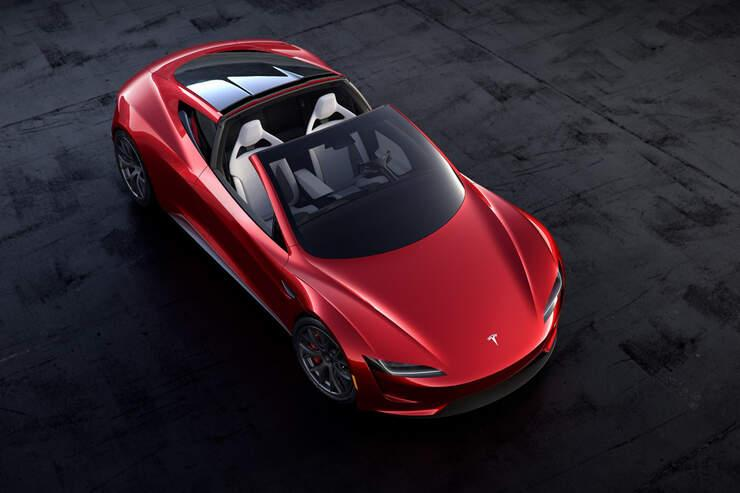
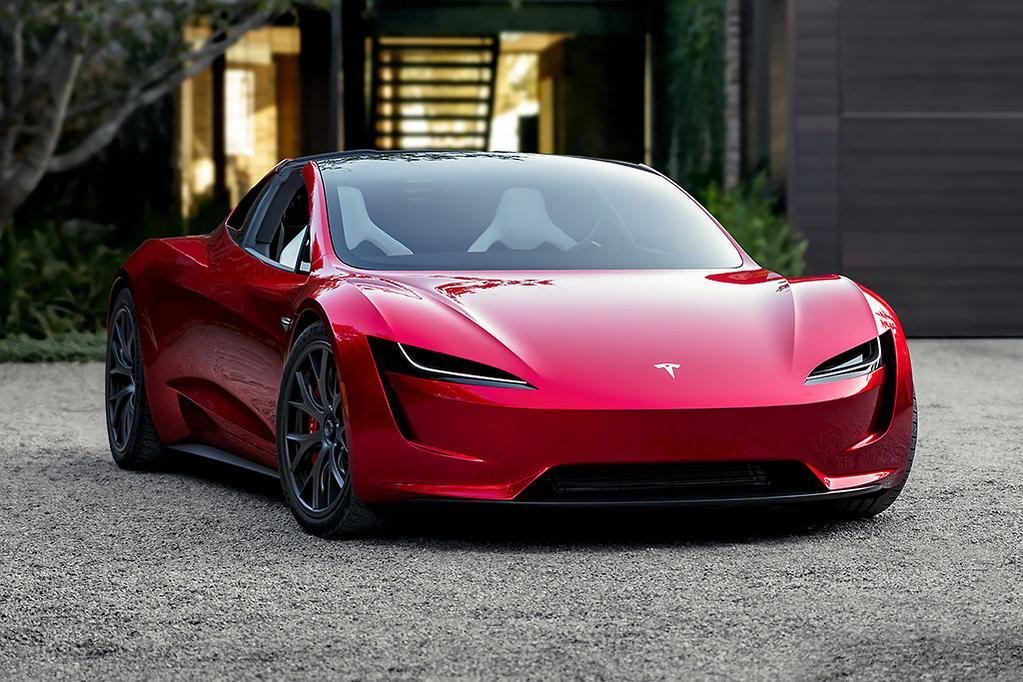
1. Tesla Roadster — The Electric Performance Car Everyone Is Watching
Why It Could Be a Game Changer
The next-generation Tesla Roadster has been one of the industry’s most talked-about future performance cars for years.
Tesla has positioned the Roadster as something much more ambitious than a traditional electric sports car. Its development has focused on extreme acceleration and high-performance engineering, making it a potential showcase for what an electric drivetrain can achieve.
If it reaches production around the expected timeframe, the Roadster could push competitors to rethink the performance-car formula.
What Makes It Interesting?
The biggest story isn’t simply speed. The Roadster represents the idea that an EV can deliver supercar-level performance while remaining fundamentally different from a conventional combustion-powered sports car.
Potential impact: It could raise expectations for electric acceleration, range, technology, and performance.
2. Volkswagen ID.2 — Making Electric Cars More Accessible
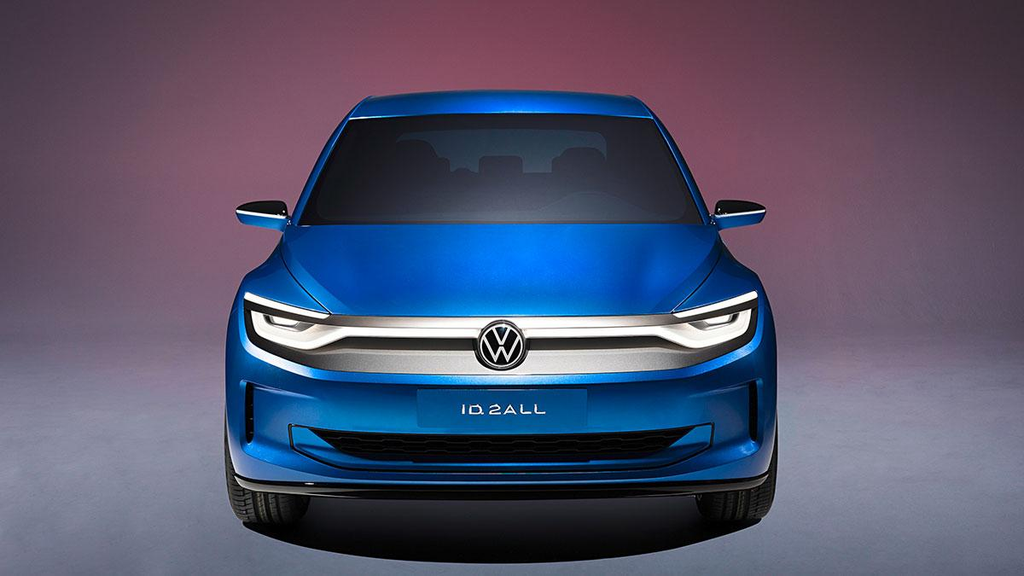
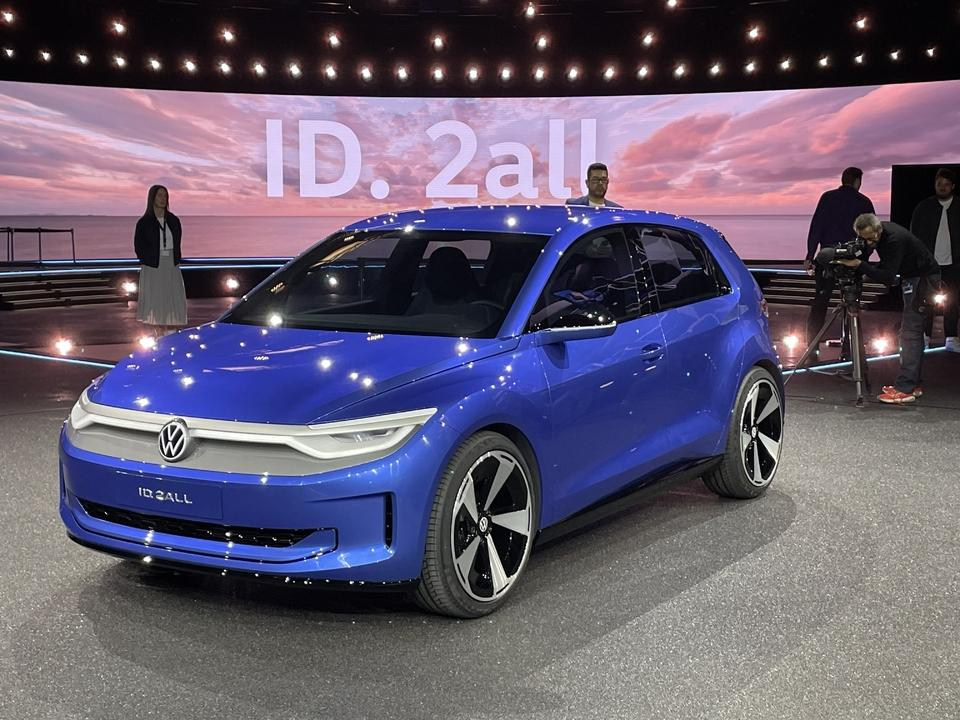
A Small EV With a Big Mission
Not every revolutionary car needs to be incredibly expensive.
Volkswagen’s smaller electric-car strategy could be one of the most important developments for everyday buyers. The production model related to the ID. 2all concept is expected to bring electric technology into a smaller, more accessible package.
That matters because mass EV adoption will depend on affordable cars—not just premium models.
Why Buyers Should Care
A well-priced compact EV could attract customers who don’t want a huge SUV or an expensive luxury electric vehicle.
If Volkswagen gets the formula right, smaller electric cars could become much more competitive with traditional gasoline-powered hatchbacks.
Potential impact: Affordable EVs could accelerate the transition away from combustion engines.
3. BMW Neue Klasse Models — A New Beginning for BMW
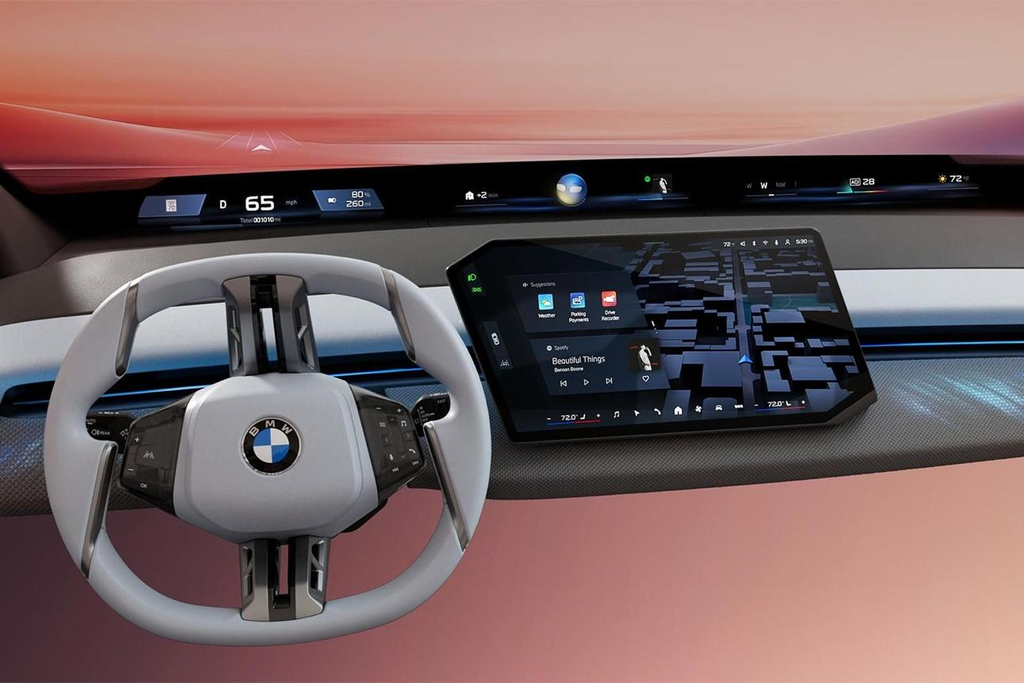
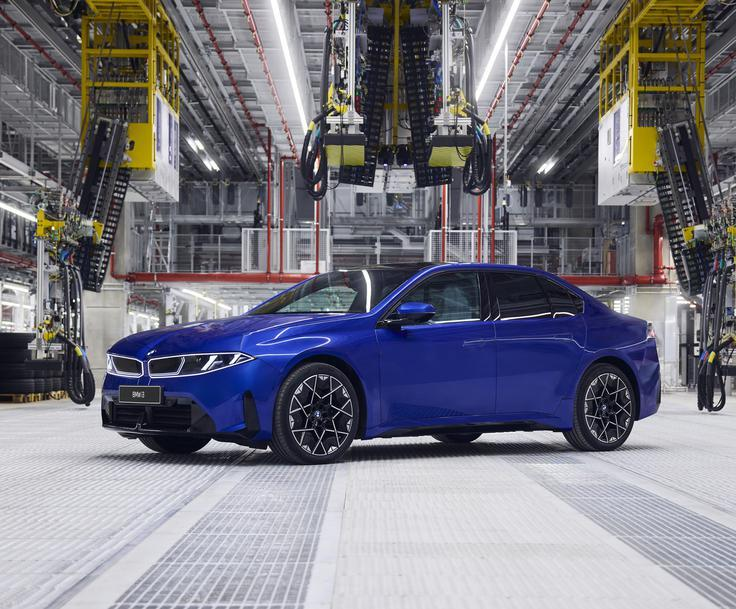
BMW Is Rebuilding Its Electric Strategy
BMW’s Neue Klasse architecture represents a major technological reset for the company.
The platform is designed around a new generation of electric powertrains, batteries, electronics, software, and interior technology.
Rather than simply converting existing gasoline models into EVs, BMW is treating the platform as a new foundation for future vehicles.
A Different Kind of Interior
One of the most interesting ideas associated with Neue Klasse is BMW’s approach to displays and interaction.
The company has demonstrated technologies intended to make information more accessible without surrounding the driver with conventional screens.
Potential impact: Neue Klasse could influence how premium cars combine physical controls, displays, software, and AI-assisted features.
4. Porsche Electric Cayenne — A Performance SUV for the Next Era
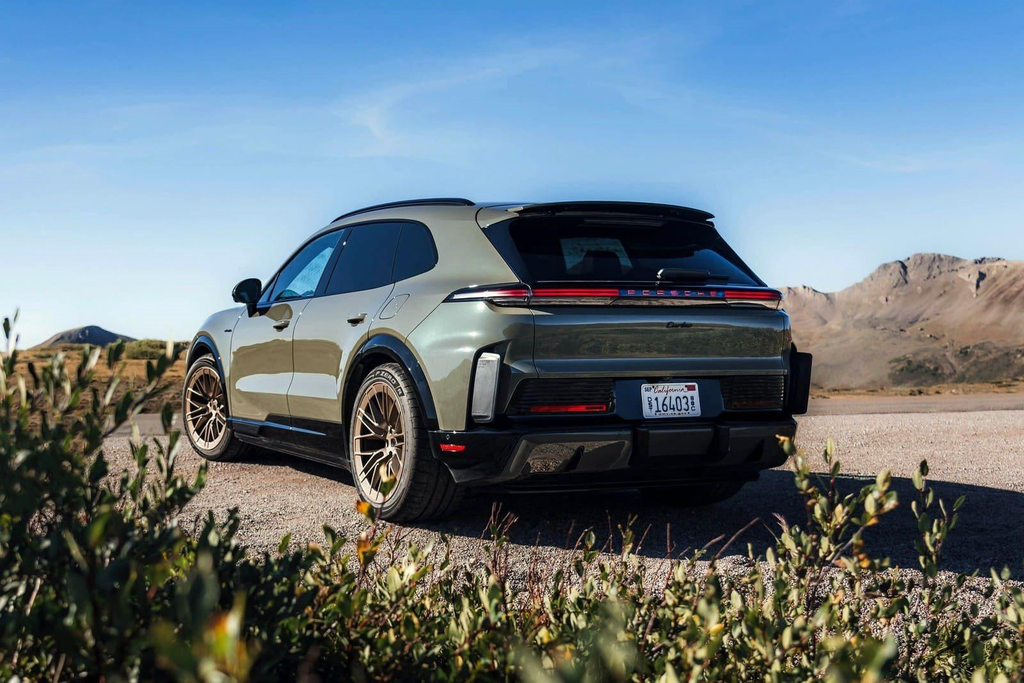
Can an Electric SUV Still Feel Like a Porsche?
Porsche has already established itself as a serious player in electric performance with models such as the Taycan and Macan Electric.
The upcoming electric Cayenne could take that philosophy into a larger SUV.
That is significant because the Cayenne is one of Porsche’s most important vehicles. Bringing the nameplate into a new electric generation could demonstrate whether high-performance SUVs can transition to EV power without losing their character.
What Could Make It Special?
Expect the focus to be on handling, acceleration, charging capability, and sophisticated chassis technology.
Potential impact: It could prove that electrification doesn’t necessarily mean sacrificing the driving experience enthusiasts expect from a performance brand.
5. Rivian R2 — The Smaller EV That Could Expand Rivian’s Reach
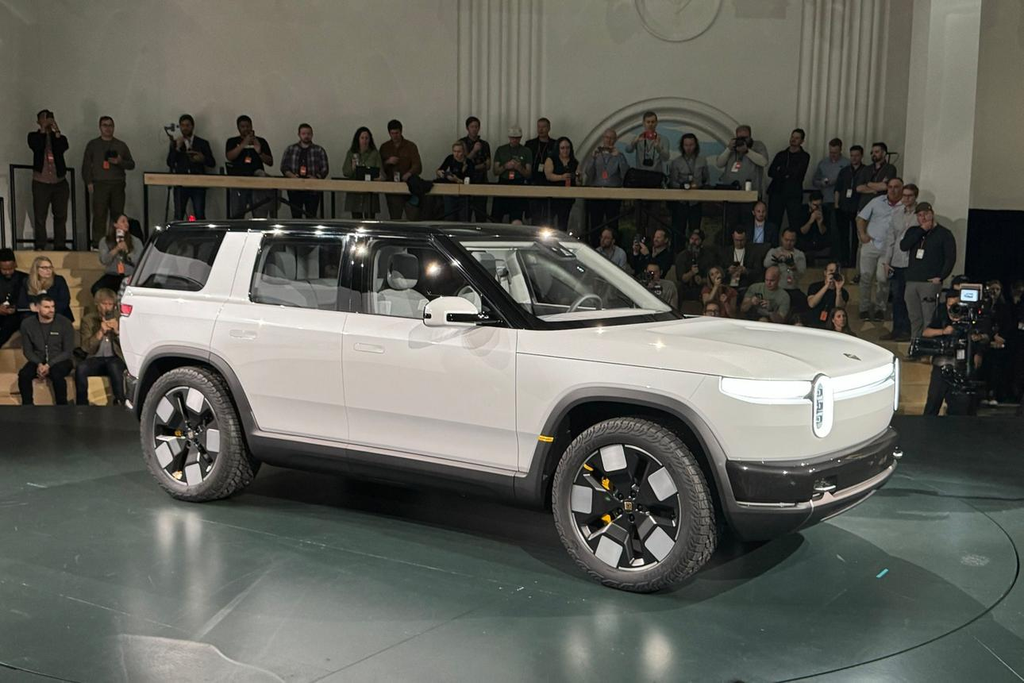
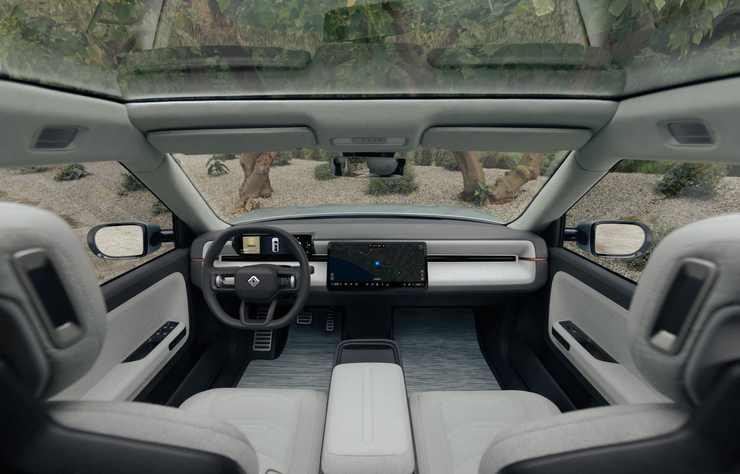
Rivian Goes Mainstream
Rivian made its name with premium electric trucks and SUVs. The R2 is intended to bring the company’s design philosophy and technology to a smaller and more accessible vehicle.
That could be enormously important.
The R2 targets one of the largest sections of the SUV market, where practicality and price are just as important as performance.
Why the R2 Matters
Rivian doesn’t need every customer to buy a massive electric pickup. A smaller SUV could introduce the brand to millions of potential buyers.
Potential impact: The R2 could help demonstrate whether a newer EV manufacturer can compete at higher volumes against established automakers.
6. Hyundai IONIQ 6 N — Electric Performance Gets Serious
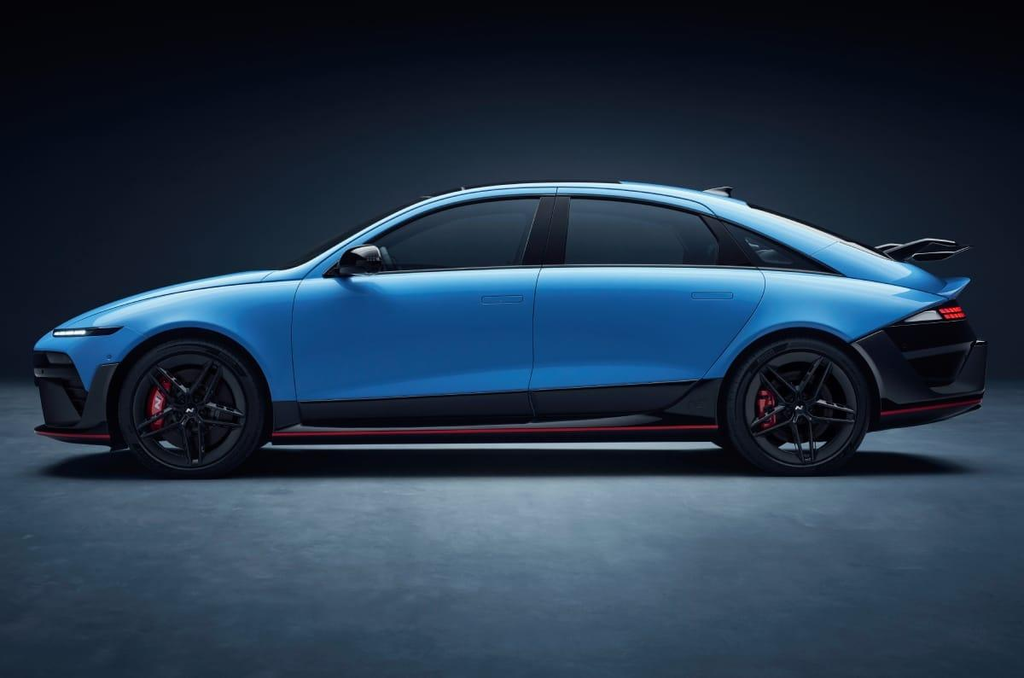
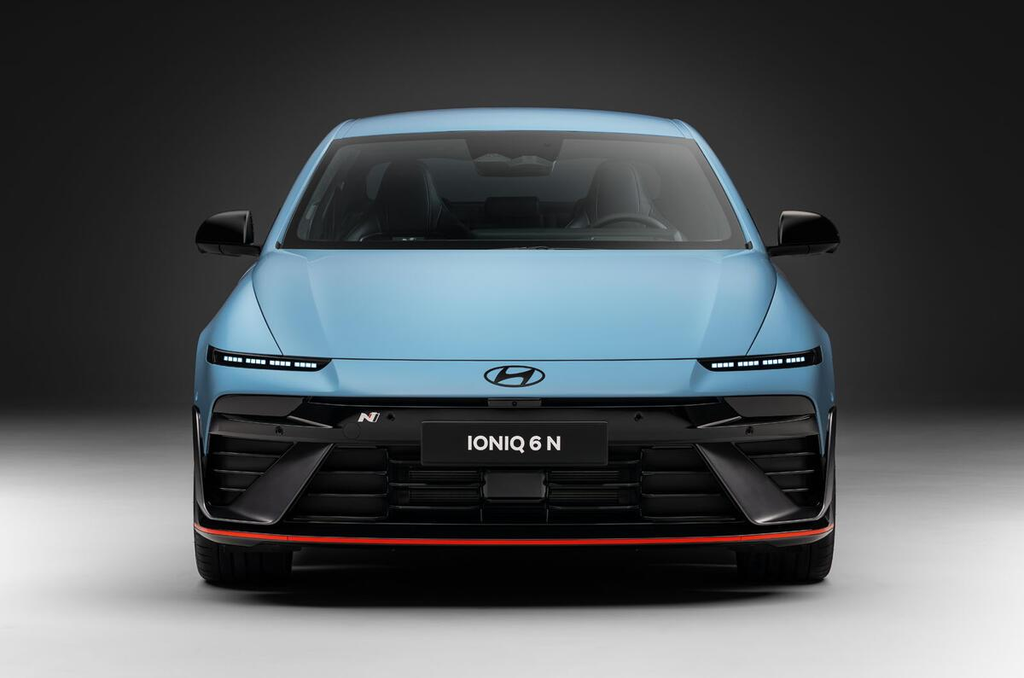
The Performance EV for Enthusiasts
Hyundai’s N performance division has developed a reputation for taking mainstream vehicles and giving them serious driving personality.
The IONIQ 6 platform provides an interesting foundation for that philosophy.
A performance-focused electric sedan could combine rapid acceleration with a more engaging driving experience, including advanced chassis and software systems.
More Than Just Horsepower
The future of performance EVs isn’t only about producing huge power numbers.
Manufacturers are experimenting with simulated gear changes, artificial sound, adjustable driving modes, torque management, and sophisticated suspension systems.
Potential impact: Cars like the IONIQ 6 N could help convince traditional driving enthusiasts that EVs can be genuinely entertaining.
7. Mercedes-Benz CLA Electric — A New Generation of Luxury EV
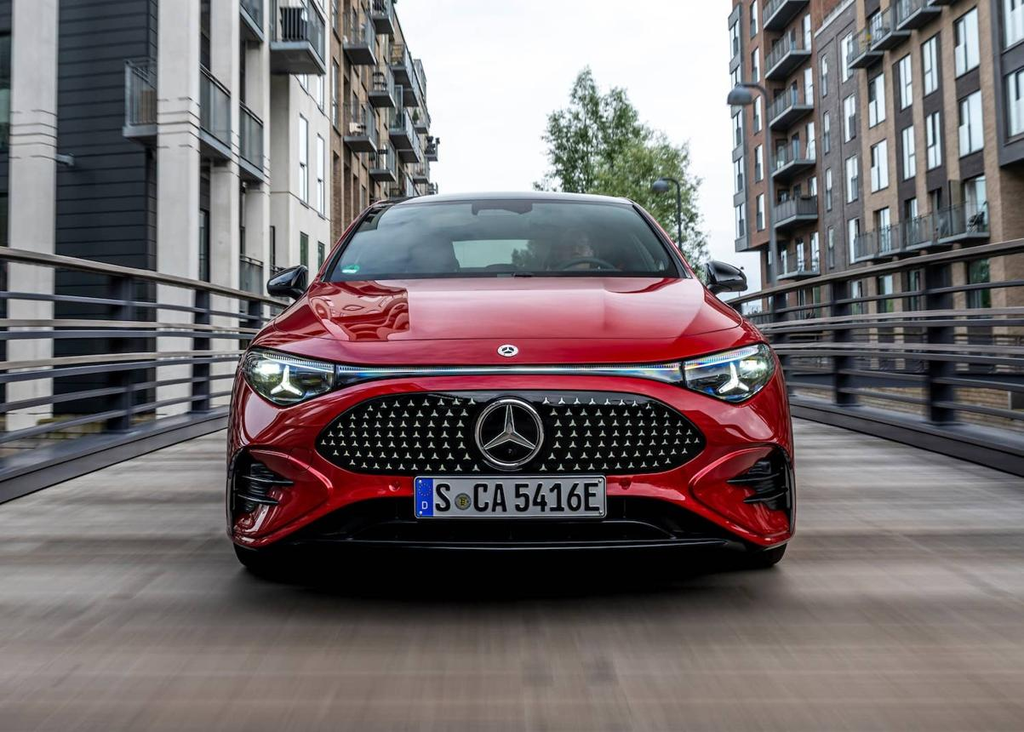
Efficiency Becomes the Main Attraction
Mercedes-Benz is developing a new generation of vehicles around its next-generation electric architecture.
The electric CLA is particularly important because it brings advanced EV technology into a more mainstream luxury segment.
Mercedes has emphasized efficiency, long-distance capability, fast charging, and software as major elements of its next-generation vehicles.
Why It Could Matter
Luxury buyers increasingly expect electric vehicles to provide convenience comparable to gasoline-powered cars.
If Mercedes can combine premium design with impressive efficiency and charging performance, the CLA could become a strong competitor in the next generation of compact luxury EVs.
Potential impact: It could make efficient, long-range EV technology more normal in the premium market.
8. Toyota’s Next-Generation EVs — A Different Approach to Electrification
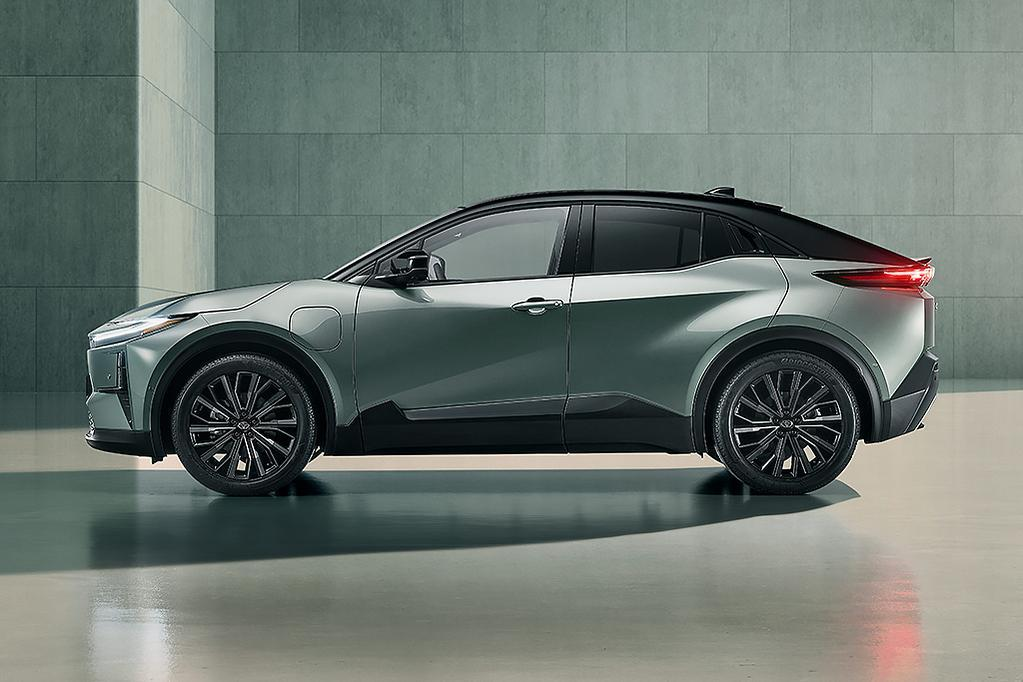
Toyota Is Preparing for the Next EV Wave
Toyota has taken a more measured approach to battery-electric vehicles than some competitors, but the company is developing a broader next-generation EV strategy.
Future Toyota electric vehicles are expected to use newer battery technology and dedicated EV architectures.
The company’s research into advanced batteries—including solid-state technology—has also generated considerable interest.
Why Toyota’s Entry Matters
Toyota sells vehicles on an enormous global scale.
If it can produce competitive EVs with strong efficiency, durability, practicality, and manufacturing economics, the consequences could extend far beyond one model.
Potential impact: Toyota’s EV strategy could influence how quickly electric vehicles become mainstream worldwide.
9. Ford’s Next-Generation Affordable EVs
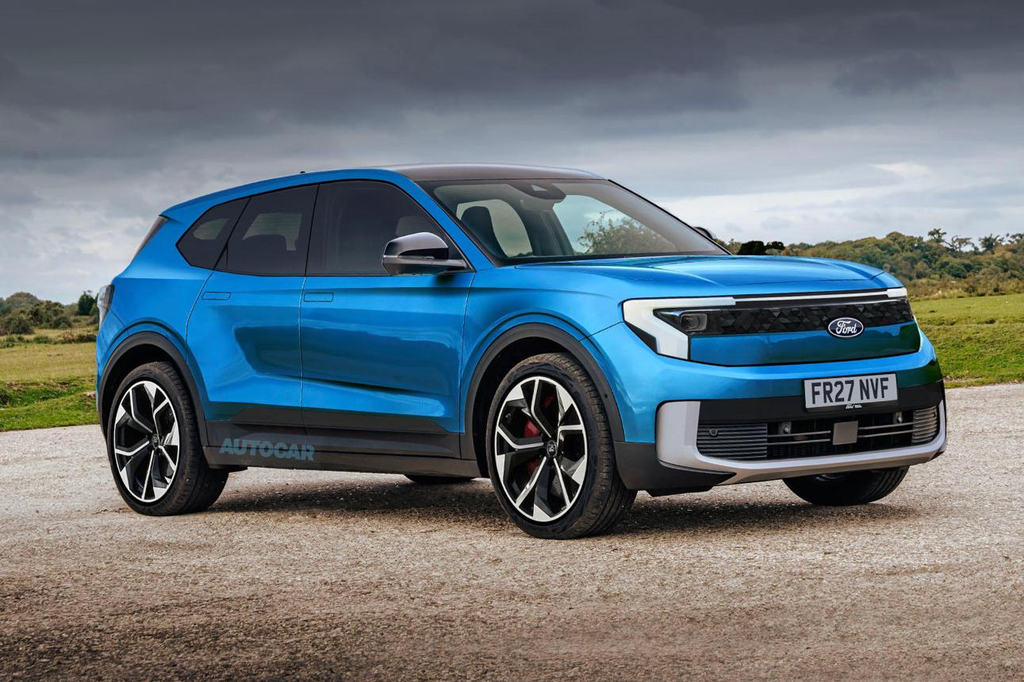
The Real EV Battle Could Be About Price
The electric-car market is gradually moving beyond expensive early-adopter vehicles.
Ford has been working on a next-generation EV platform designed to reduce production costs and make electric vehicles more competitive.
This could be more important than another high-performance EV.
Why Affordable EVs Matter
Consumers don’t necessarily need 1,000 horsepower or futuristic doors. They need cars that are affordable, practical, reliable, and inexpensive to operate.
A successful low-cost EV platform could give Ford a way to compete in the largest parts of the automotive market.
Potential impact: Affordable EVs could bring electric transportation to a much larger audience.
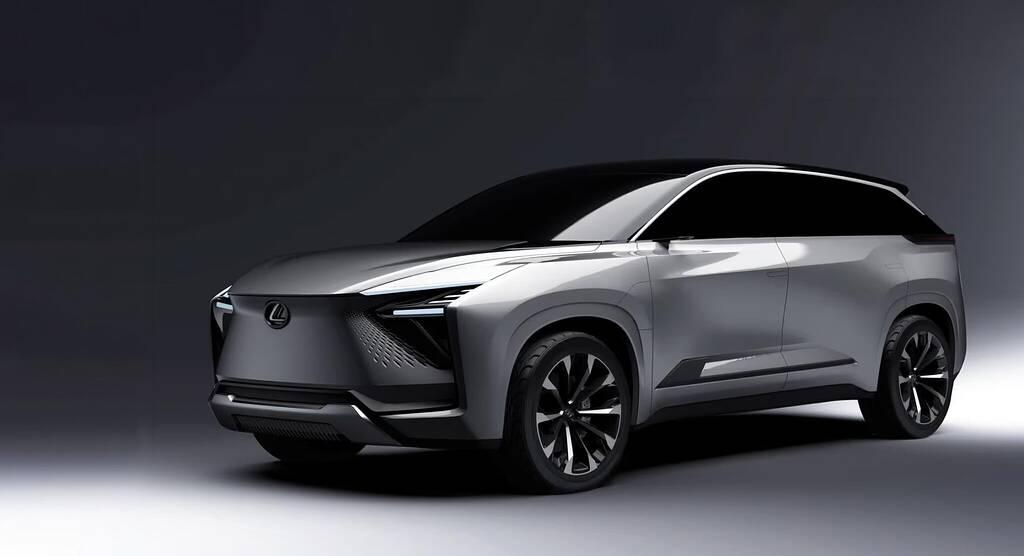
10. Next-Generation Electric Luxury SUVs
The SUV Isn’t Going Anywhere
If there is one body style dominating the modern automotive market, it is the SUV.
That makes next-generation electric SUVs particularly important.
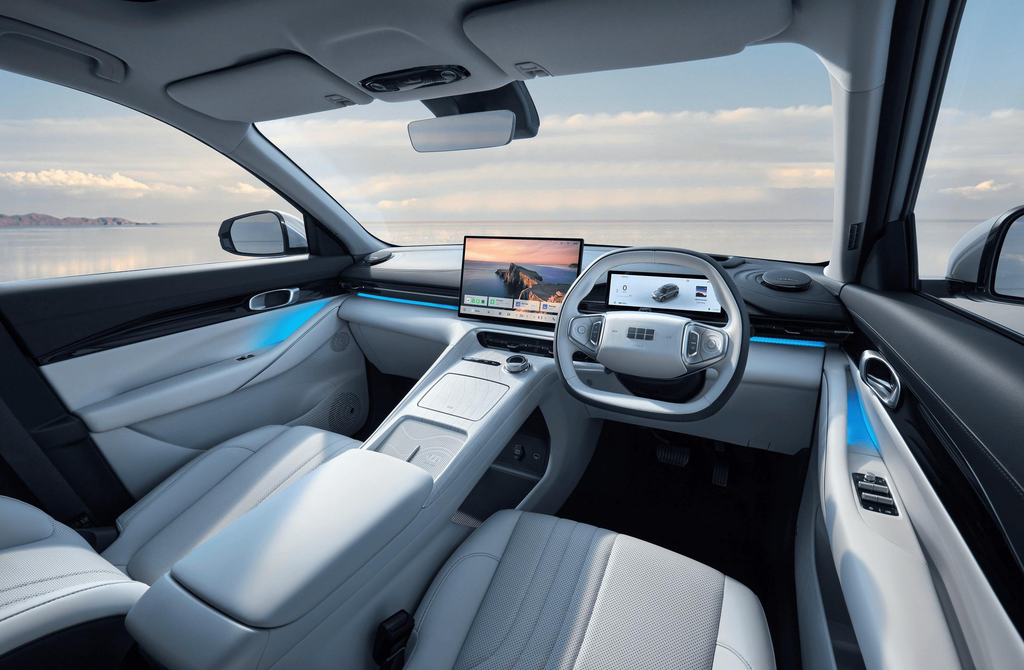
Luxury manufacturers are increasingly developing electric SUVs with sophisticated battery systems, advanced driver assistance, powerful computing platforms, premium interiors, and extremely fast charging.
What Could Change?
The next wave of luxury EVs could blur the line between a traditional car and a connected digital device.
Owners may increasingly expect software updates, personalized interfaces, intelligent navigation, advanced driver assistance, and seamless integration with their digital lives.
Potential impact: These vehicles could establish the technology standards that eventually filter down into less expensive cars.
What Will Make 2027 Different?
The most interesting thing about these upcoming cars isn’t any single specification.
It’s the combination of technologies.
Automakers are simultaneously working on:
- More efficient batteries
- Faster charging
- Lower-cost EV platforms
- Advanced driver-assistance systems
- Software-defined vehicles
- AI-powered interfaces
- New manufacturing methods
- Improved electric performance
- More aerodynamic designs
- More sophisticated interiors
The result could be a major shift in what consumers expect from a new vehicle.
Will 2027 Be the Year Cars Finally Change?
Maybe not overnight—but the direction is clear.
The next generation of vehicles is becoming less about simply replacing a gasoline engine with an electric motor. Automakers are redesigning the entire vehicle around software, batteries, connectivity, efficiency, and new manufacturing techniques.
Some of the cars discussed above may arrive later than expected, while specifications and pricing can change before production. But their underlying technologies represent where the automotive industry is heading.
Final Thoughts
2027 could be one of the most interesting years in modern automotive history.
From affordable EVs designed for everyday drivers to high-performance electric machines capable of challenging supercars, manufacturers are experimenting with almost every part of the traditional car formula.
The biggest winner may not be one particular brand.
It could be the consumer.
More competition means more choices, better technology, improved efficiency, and potentially more affordable electric vehicles.
And if even a few of these upcoming cars deliver on their promises, the vehicles arriving in 2027 could influence the automotive industry for many years to come.