Introduction: The Car I Almost Walked Away From
Sometimes, we don’t find the thing that changes our life. Sometimes, we find it because we are lost.
For me, that thing was an abandoned classic car.
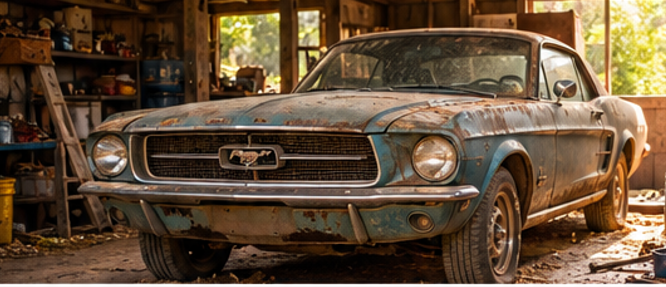
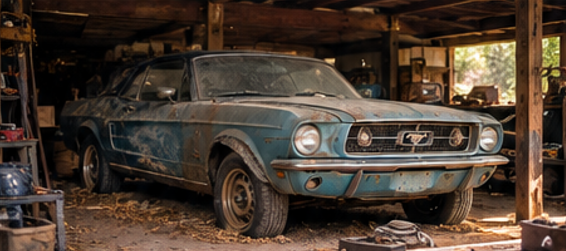
It had been sitting beneath an old, weathered shelter at the edge of my uncle’s property for years. Dust covered the faded paint. The tires were flat, the windows were cloudy, and rust had slowly taken over the bodywork. Nobody had driven it in years.
To most people, it looked like an expensive problem.
To me, at first, it looked the same.
I had reached a point in my life when I felt strangely stuck. Work felt repetitive, my goals seemed distant, and the excitement I once had for the future had almost disappeared. I was functioning, but I wasn’t really moving forward.
Then I opened the driver’s door of that forgotten car.
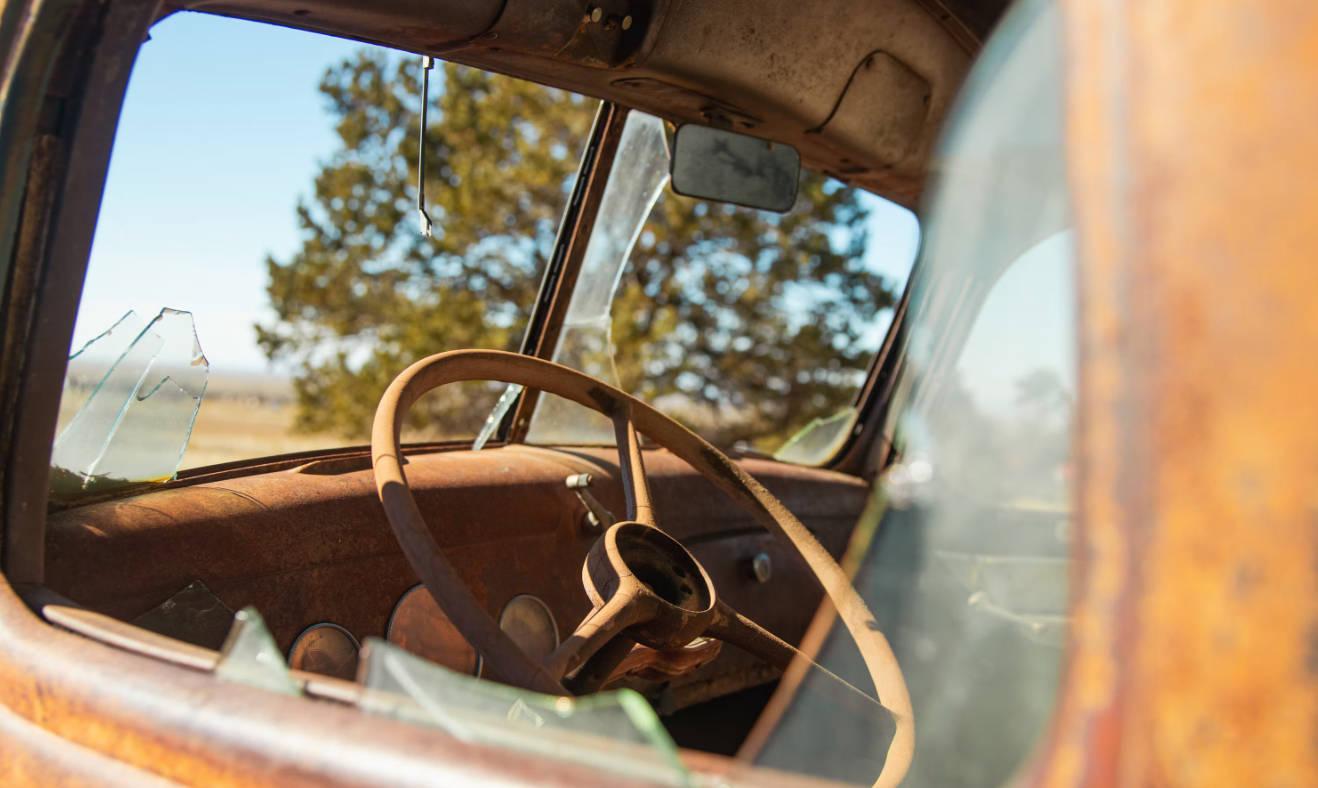
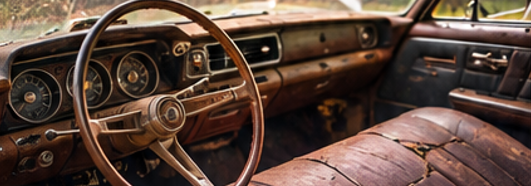
The smell of old leather and dust filled the air. The steering wheel was cracked. The dashboard was covered in grime. Yet underneath all the neglect, there was something unmistakable—a beautiful machine waiting for another chance.
I didn’t know it then, but restoring that car would become much more than a hobby.
It would teach me how to restore myself.
Chapter 1: The Forgotten Classic
The car was an old classic model that had belonged to my uncle when he was younger.
He told me stories about it from time to time. He remembered weekend drives, long roads, music playing through the speakers, and the feeling of freedom that came with having nowhere specific to go.
But eventually, life became busy.
The car developed mechanical problems. Repairing it became too expensive. Other responsibilities took priority, and eventually the vehicle was pushed into the corner of the property.
Years passed.
When I first saw it, I asked my uncle why he had never sold it.
He smiled and said, “I suppose I always thought I’d fix it someday.”
That sentence stayed with me.
I knew exactly what he meant.
I had been telling myself the same thing about my own life.
I’d start the project someday.
I’d learn that skill someday.
I’d pursue that dream someday.
I’d become the person I wanted to be someday.
Maybe that old car wasn’t the only thing waiting for a second chance.
Chapter 2: Deciding to Give It Another Chance
I asked my uncle if I could restore the car.
He looked surprised.
“You actually want to take this on?”
I nodded.
I had no professional experience restoring classic cars. I wasn’t a mechanic. I didn’t have a huge budget or a perfect workshop.
What I did have was curiosity.
And perhaps, without realizing it, I needed something that would force me to keep showing up.
The first day of restoration was not glamorous.
I spent hours removing old boxes, cleaning years of dust, and clearing debris from around the vehicle. I discovered broken parts, corroded metal, dried-out rubber, and countless things that needed attention.
The more I uncovered, the worse the car looked.
But strangely, I felt better.
For the first time in months, I had a problem I could actually work on.
I couldn’t fix everything in one day.
But I could clean one part.
I could remove one bolt.
I could research one problem.
I could take one step.
And that was enough.
Chapter 3: Learning That Restoration Takes Patience
The first major lesson came quickly.
Restoration is slow.
Very slow.
There were days when I worked for hours and could barely see any difference.
I would spend an entire afternoon trying to remove one stubborn component. Sometimes a replacement part arrived only to discover that it wasn’t the correct one. Other times, I fixed one problem and accidentally uncovered another.
It was frustrating.
I wanted visible progress.
Instead, I got tiny victories.
A clean piece of chrome.
A repaired wire.
A bolt that finally came loose.
A dashboard panel that looked slightly better than it had the day before.
Eventually, I realized something important.
Progress doesn’t always look impressive while you’re making it.
Sometimes progress is simply refusing to quit.
That lesson followed me outside the garage.
When I felt overwhelmed by my career, I started focusing on one task at a time.
When a personal goal seemed impossible, I broke it into smaller pieces.
When I felt like I wasn’t moving forward, I reminded myself that restoration isn’t about changing everything overnight.
It’s about making one damaged thing a little better every day.
Chapter 4: Finding the Story Beneath the Rust
As the restoration continued, I began discovering pieces of the car’s history.
Under layers of dirt were small scratches and marks that seemed insignificant at first.
But they told stories.
The worn steering wheel showed where hands had held it thousands of times.
The faded upholstery reminded me that someone had spent years sitting there.
A tiny mark on the side panel made me wonder where it had come from.
The car wasn’t perfect.
It had never been perfect.
And that made it more beautiful.
I began thinking about people the same way.
We all carry scratches.
Some come from mistakes.
Others come from difficult seasons, disappointments, broken relationships, failures, or decisions we wish we could change.
But damage doesn’t erase history.
It becomes part of the story.
I stopped trying to imagine what the car would have looked like when it was brand new.
Instead, I wanted to preserve its character while giving it another life.
Maybe I needed to do the same for myself.
Chapter 5: The Day I Nearly Gave Up
Every restoration project has a moment when quitting feels easier.
Mine came when I discovered a serious mechanical problem.
The repair was going to cost more than I expected.
For the first time, I seriously considered selling the car and walking away.
I stood in the garage looking at it.
Part of me thought, “This isn’t worth it.”
But another thought appeared.
“Maybe it isn’t supposed to be easy.”
I realized I had spent years avoiding difficult things because I was afraid of failing.
If something looked complicated, I postponed it.
If success wasn’t guaranteed, I didn’t start.
If progress was slow, I lost interest.
The car was teaching me the opposite.
Some things become valuable precisely because they require patience.
So I decided to continue.
I adjusted my budget.
I learned more.
I asked experienced people for advice.
I made mistakes.
I corrected them.
And slowly, the project moved forward.
Chapter 6: Restoring the Car Was Restoring Me
Something unexpected happened during those months.
I became more disciplined.
I started waking up earlier.
I spent less time scrolling through my phone.
I became comfortable learning things I didn’t understand.
I stopped expecting immediate results.
Most importantly, I started trusting myself again.
The car gave me a reason to show up.
Even when I wasn’t motivated, I had something waiting for me in the garage.
That routine slowly changed the way I approached everything else.
I began setting smaller goals.
Instead of asking, “How am I going to completely change my life?”
I started asking:
“What can I improve today?”
That question was easier to answer.
Sometimes the answer was work.
Sometimes it was learning.
Sometimes it was spending time with family.
Sometimes it was simply getting enough rest.
The car had started as a restoration project.
Somewhere along the way, it became a lesson in rebuilding a life.
Chapter 7: The First Engine Start
After months of work, the moment finally arrived.
The engine was ready.
I checked everything one more time.
Fuel.
Oil.
Connections.
Battery.
I sat behind the wheel.
For a few seconds, I didn’t turn the key.
I was nervous.
What if nothing happened?
What if all those months of work had been wasted?
I turned the key.
The engine cranked.
Once.
Twice.
Then suddenly—
It started.
The sound filled the garage.
It wasn’t smooth.
It wasn’t perfect.
There were still problems to solve.
But it was alive.
I laughed.
Then I realized I was smiling in a way I hadn’t smiled for a long time.
The car didn’t just start that day.
Something inside me started too.
Chapter 8: The First Drive
The first drive was unforgettable.
The car wasn’t perfect enough for a long journey, so I kept the drive short.
I slowly pulled out of the driveway.
The steering felt different from modern cars. The engine sounded louder. Every movement required attention.
But I didn’t care.
I was driving something that everyone had assumed was finished.
The road stretched ahead of me.
For years, I had been waiting for my life to feel different before taking action.
Now I understood that action was what created the difference.
The car hadn’t magically become new.
It had become functional again because someone was willing to invest time, patience, and care into it.
Perhaps people work the same way.
We don’t always need to become completely different people.
Sometimes we simply need to repair what has been neglected.
We need to reconnect with our values.
Rediscover our curiosity.
Take care of our relationships.
Return to forgotten dreams.
And give ourselves permission to begin again.
Chapter 9: What the Classic Car Taught Me
The restoration changed the way I see broken things.
Before the project, I thought something damaged needed to be replaced.
Now I understand that some things deserve restoration.
The car taught me several lessons.
1. You Don’t Have to Fix Everything at Once
Big problems become less frightening when you divide them into smaller tasks.
You don’t have to rebuild your entire life in one weekend.
Start with one part.
Then another.
2. Progress Can Be Invisible
There were many days when I couldn’t see any improvement.
But beneath the surface, things were changing.
Not all progress is immediately visible.
3. Imperfection Doesn’t Mean Failure
The restored car still had small imperfections.
Some marks remained.
Some parts weren’t original.
But it was beautiful because of its history.
Our imperfections can become part of what makes our lives meaningful.
4. Patience Creates Things Speed Cannot
If I had rushed the restoration, I would have made expensive mistakes.
Some things simply require time.
5. Purpose Can Return Through Action
I didn’t discover my purpose by sitting around waiting for inspiration.
I found it by doing something.
Purpose often appears after we begin moving.
Chapter 10: The Car Still Isn’t Perfect
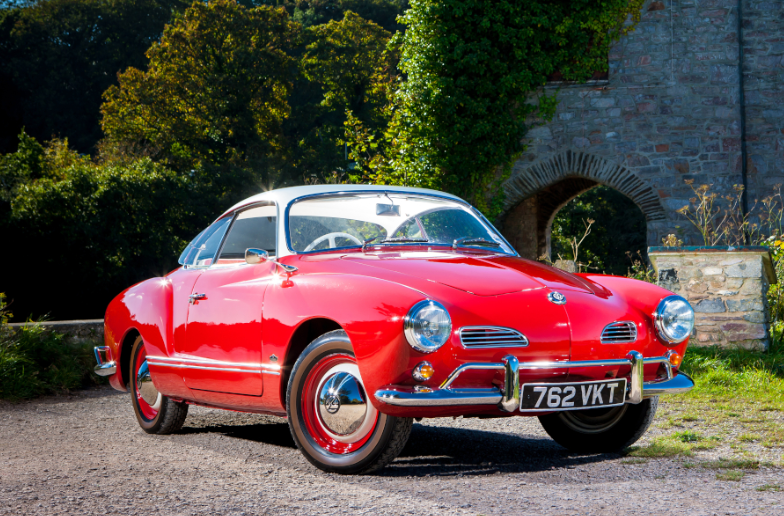
Today, the car still isn’t perfect.
And honestly, I don’t want it to be.
There are tiny imperfections that remind me where it came from.
Sometimes I take it for a drive without any destination.
I just enjoy the sound of the engine and the feeling of being behind the wheel.
The car has become more than transportation.
It’s a reminder.
Whenever life feels overwhelming, I remember what that vehicle looked like when I first saw it.
Dusty.
Forgotten.
Rusty.
Almost impossible to imagine on the road again.
And then I remember what happened when someone decided it was worth saving.
Conclusion: Sometimes We Need to Restore Ourselves
The abandoned classic taught me that restoration isn’t really about making something old look new.
It’s about recognizing value beneath the damage.
That car had been sitting untouched for years, but its potential had never disappeared.
I think people are often the same.
A difficult season can make us feel forgotten.
Failure can make us believe we’re finished.
Disappointment can cover our dreams with layers of doubt.
But being neglected doesn’t mean being worthless.
Being damaged doesn’t mean being beyond repair.
And being lost doesn’t mean you can’t find your way again.
Sometimes, you don’t need a completely new life.
You need to reconnect with the parts of yourself that were left behind.
For me, that journey began with an abandoned classic car.
I thought I was restoring an old machine.
In the end, I was restoring my purpose.
And perhaps that’s the most beautiful thing about second chances:
They don’t always arrive looking like opportunities. Sometimes, they arrive covered in dust and rust, quietly waiting for someone to believe they are still worth saving.