1. Floor-Mounted High-Beam Switch
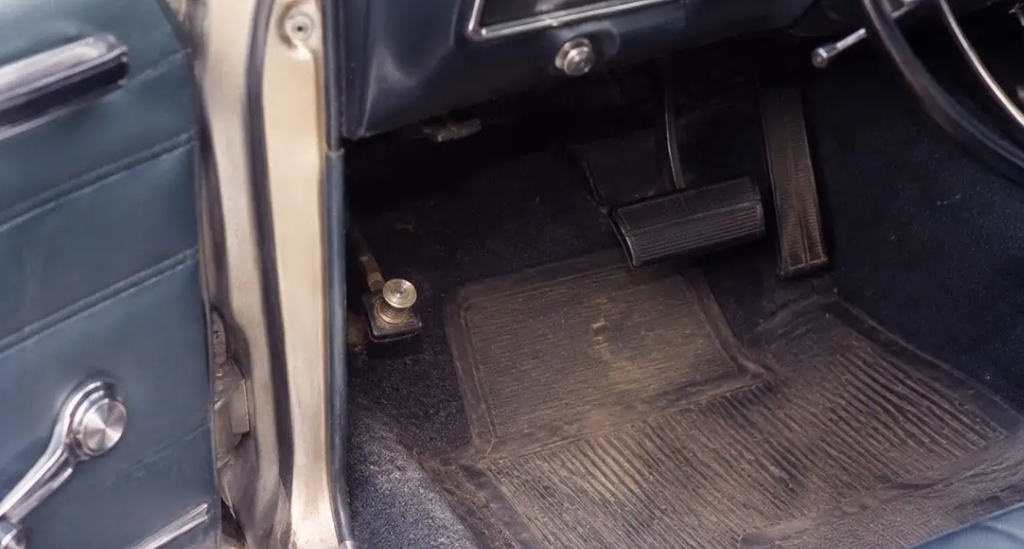
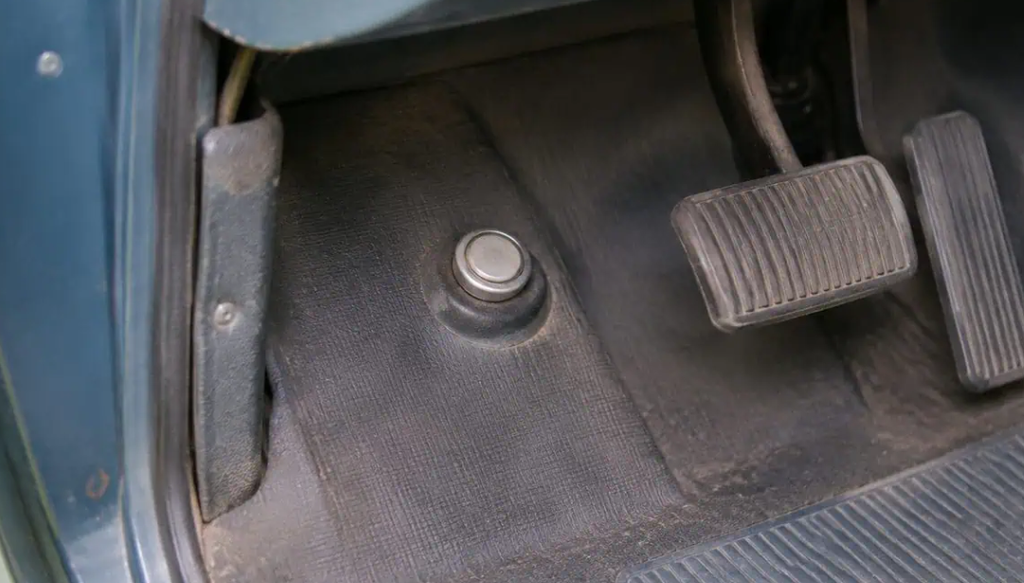
In many classic car features, drivers changed their headlights using a foot-operated switch on the floor. Instead of reaching for a lever near the steering wheel, they simply pressed the switch with their left foot to toggle between high and low beams. For kids accustomed to automatic headlights, this old-school setup can seem unusual.
2. Vent Windows
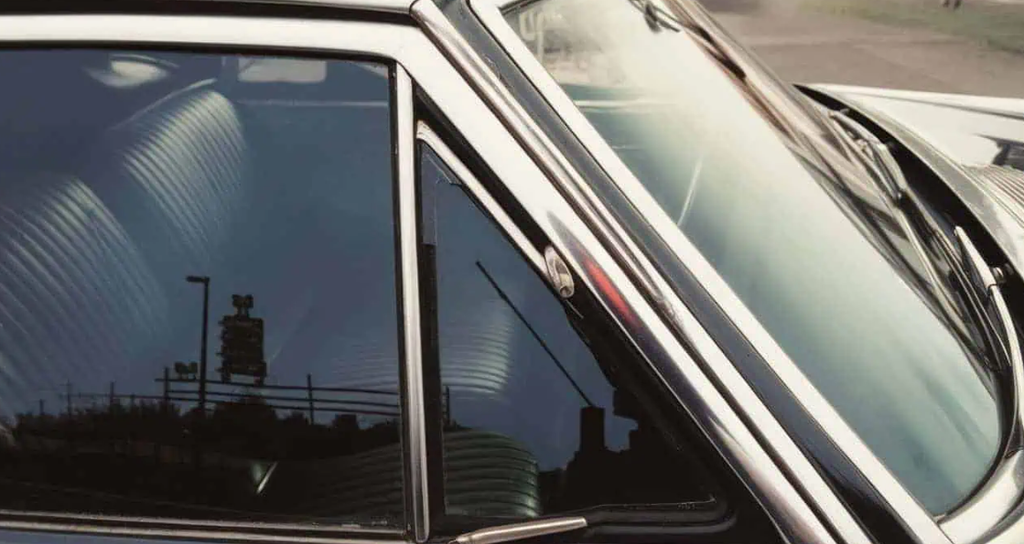
Before air conditioning became standard, small triangular vent windows helped keep car interiors cool. Drivers could angle these windows to direct fresh air into the cabin. It was a simple, effective solution that many modern cars no longer offer.
3. Manual Choke

Starting a classic car on a cold morning sometimes required pulling a choke knob on the dashboard. This helped adjust the air-fuel mixture so a carbureted engine could start more easily. Drivers had to push the knob back in as the engine warmed up—a routine most young drivers have never experienced.
4. Hand-Crank Windows
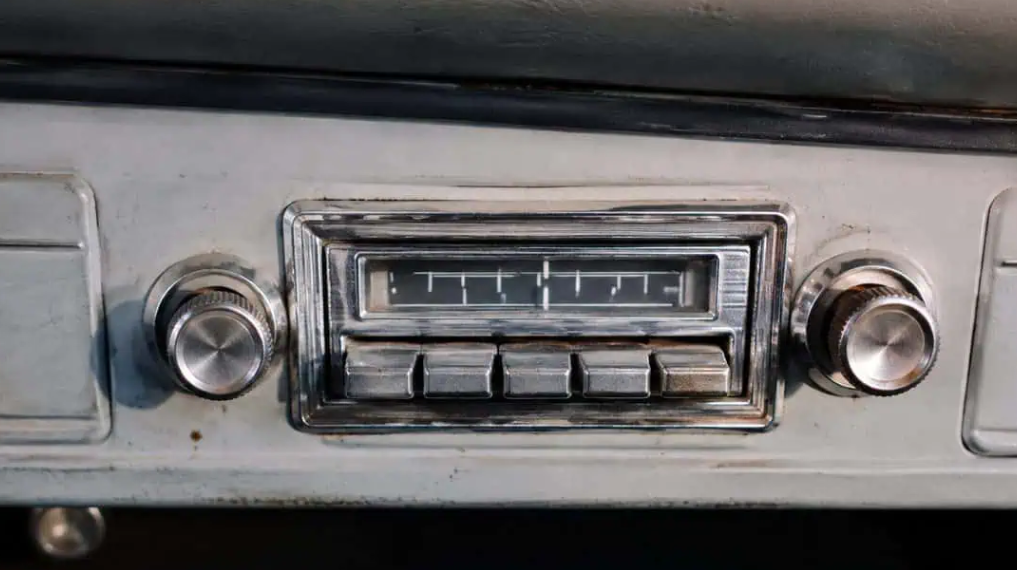
Forget power windows! In many classic cars, passengers had to turn a small handle to raise or lower their windows. Although it required some physical effort, the mechanism was straightforward and reliable. For today’s kids, manually winding down a window might feel like operating a machine from another century.
5. Metal Dashboards
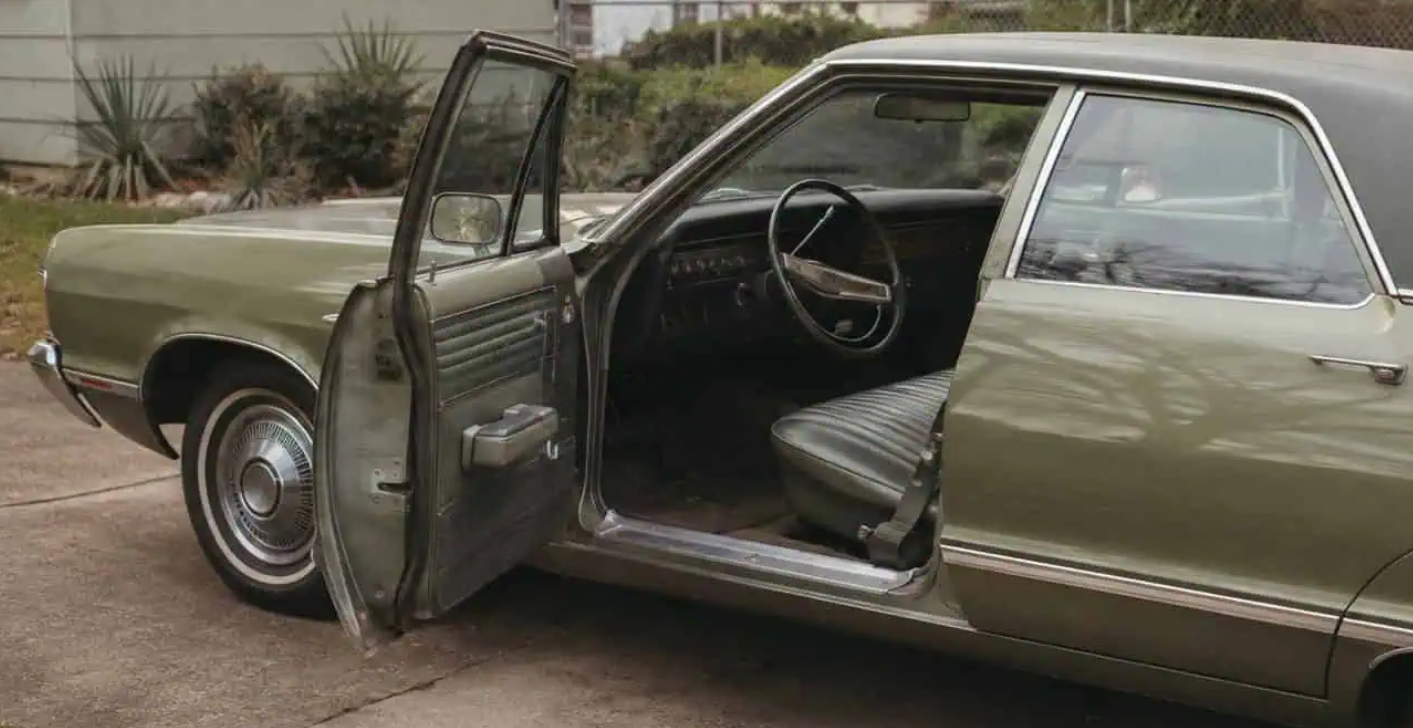
Classic cars often featured painted metal dashboards, shiny chrome trim, and traditional analog gauges. While these interiors looked elegant, their hard surfaces could increase the risk of injury in a crash. Modern dashboards increasingly incorporate padded materials and energy-absorbing designs to improve occupant safety.