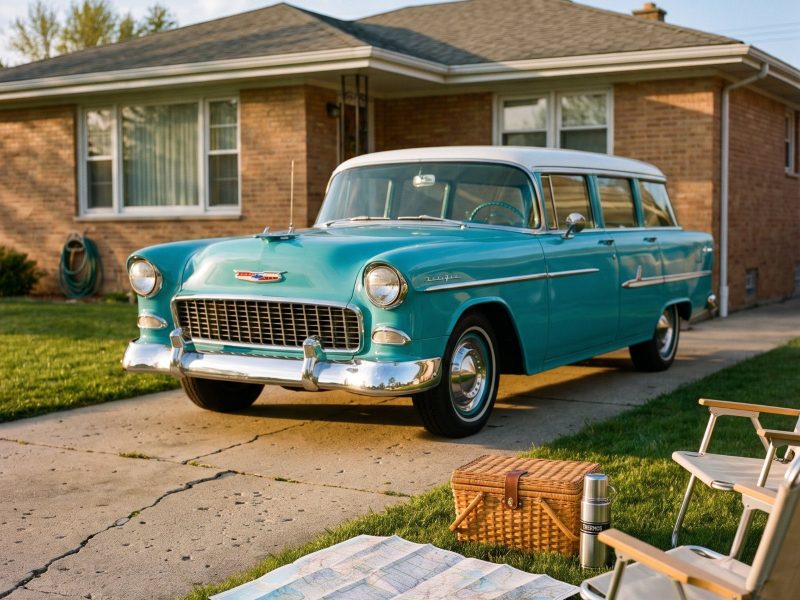
Owning a classic car is about more than having an old vehicle in the garage. These cars represent a piece of automotive history, and many have components, finishes, and materials that require considerably more care than those found on a modern daily driver.
When a classic car needs to sit unused for several months—or even longer—simply parking it and throwing a cover over it isn’t enough.
Moisture can encourage rust. Tires can develop flat spots. Batteries can discharge. Old fuel can deteriorate. Rodents can damage wiring and upholstery. Even the wrong type of car cover can trap condensation against the paint.
The good news is that proper long-term storage isn’t complicated once you know what to protect.
This guide explains how to store a classic car long term without damaging it, from preparing the engine and fuel system to choosing the right storage environment and getting the vehicle back on the road.


7
1. Choose the Right Storage Location
The storage environment is arguably the most important part of protecting a classic car.
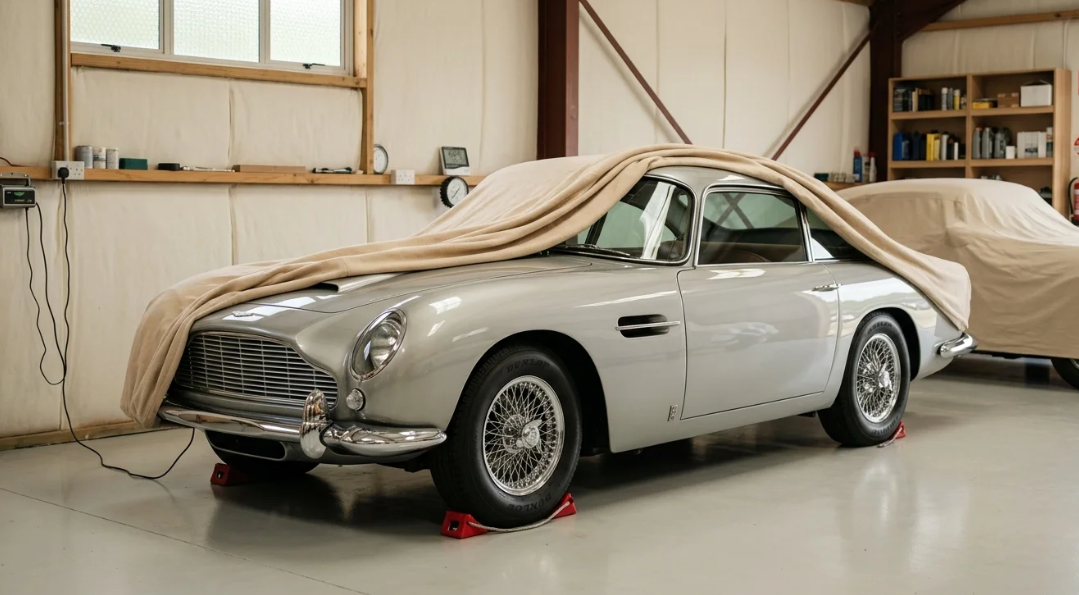
A dry, secure garage is generally much better than leaving the vehicle outdoors under a waterproof cover.
Keep the Car Dry
Moisture is one of the biggest enemies of older automobiles.
A garage should ideally be:
- Dry and well ventilated
- Protected from rain and flooding
- Free from major temperature swings
- Safe from direct sunlight
- Secure against theft
- As clean and dust-free as reasonably possible
If the garage regularly develops condensation, consider improving ventilation or using a suitable dehumidification system.
Avoid Damp Floors
Concrete floors can contribute to moisture problems in humid environments.
If your garage is particularly damp, investigate the source rather than simply covering the car more tightly. A sealed floor, improved drainage, ventilation, or moisture-control equipment may help.
Remember: A car cover can protect paint from dust, but it cannot fix a damp garage.


6
2. Thoroughly Clean the Car Before Storage
One of the easiest mistakes is putting a classic car into storage while it is still dirty.
Road grime, salt, mud, insects, and other contaminants can remain on the body and undercarriage. Over time, those contaminants can contribute to corrosion or stain the finish.
Wash the Exterior
Give the entire vehicle a careful wash.
Pay particular attention to:
- Wheel arches
- Undercarriage
- Door jambs
- Bumpers
- Chrome trim
- Areas around the suspension
- Mud and debris trapped underneath the body
Allow the vehicle to dry completely.
Clean the Interior
Vacuum carpets, seats, and floor areas thoroughly.
Remove food, wrappers, and anything else that could attract insects or rodents.
Leather upholstery should be cleaned and conditioned with a product appropriate for its age and material.
Don’t Forget the Trunk
The trunk is an easy place to overlook.
Remove everything from it and inspect for moisture. Older cars can develop leaks around trunk seals, rear windows, or body seams.
3. Change the Engine Oil and Filter
Old engine oil can contain contaminants and combustion byproducts.
For a vehicle that will remain stored for a significant period, starting the storage period with fresh oil is a sensible precaution.
Change:
- Engine oil
- Oil filter
Use the oil specification appropriate for your particular engine rather than choosing a modern oil simply because it is readily available.
For especially valuable or historically significant vehicles, consult a specialist familiar with the engine before changing fluids or applying storage products.


5
4. Take Care of the Fuel System
Fuel is another major consideration when storing an older vehicle.
Gasoline can deteriorate over time, and deposits can create problems in fuel systems that weren’t designed around modern fuel-storage practices.
Fill or Drain the Tank?
The correct approach depends on the car and how long it will be stored.
For many vehicles, keeping the tank appropriately filled can reduce the amount of humid air inside the tank and therefore reduce condensation. However, some classic cars have specialized fuel systems or storage requirements.
If using fuel stabilizer, choose one that is compatible with your fuel system and follow the manufacturer’s instructions.
For very long-term storage, particularly on a rare or modified classic, consult a qualified classic-car mechanic about whether the tank should remain filled, stabilized, or drained.
Don’t guess with a valuable vehicle.
5. Protect the Battery
A battery that sits unused for months can gradually discharge.
Once the voltage drops too far, the battery may suffer permanent damage.
There are several approaches depending on your vehicle and storage conditions.
Option 1: Use a Battery Maintainer
A quality battery maintainer can keep the battery at an appropriate charge without continually overcharging it.
This is often one of the simplest solutions for a car stored in a secure garage with electrical power.
Option 2: Remove the Battery
For some classic cars, removing the battery and storing it separately may make more sense.
Keep it in an appropriate, dry location and follow the battery manufacturer’s storage recommendations.
Important: Disconnecting a battery can affect clocks, radios, alarms, or other electrical equipment. Know how your particular car is configured before disconnecting anything.


5
6. Protect the Tires From Flat Spots
Classic cars can sit in exactly the same position for months.
The weight of the vehicle remains concentrated on the same portions of the tires, which can contribute to flat spotting.
Inflate Tires Correctly
Check the tire manufacturer’s recommended storage pressure.
Don’t automatically use the maximum pressure printed on the tire sidewall. That number is generally a maximum inflation specification, not necessarily the ideal storage pressure.
Consider Moving the Car
If the vehicle remains on its wheels, periodically moving it a short distance can change the contact point between the tires and floor.
However, don’t start and move the vehicle merely for a few minutes without considering condensation and proper warm-up.
If the car is particularly valuable, discuss long-term support methods with a classic-car specialist.
7. Protect Against Rust and Corrosion
Rust can destroy the originality and structural integrity of a classic car.
Unfortunately, corrosion often begins in places that aren’t immediately visible.
Inspect:
- Wheel wells
- Floor pans
- Door bottoms
- Trunk areas
- Drain holes
- Chassis components
- Suspension mounting points
- Areas beneath rubber seals
If the car has recently been driven on wet or salty roads, make sure the underside is thoroughly cleaned and dried before storage.
Don’t Trap Moisture
One of the worst things you can do is cover a damp vehicle and leave it sealed.
The car should be completely dry before you put on the cover.


7
8. Use the Right Car Cover
A car cover sounds simple, but choosing the wrong one can cause problems.
For Indoor Storage
Use a soft, breathable cover designed for indoor automotive storage.
The goal is to keep dust away while allowing air and moisture to escape.
Avoid using an ordinary plastic sheet directly against the paint.
Plastic can trap condensation underneath it.
For Outdoor Storage
Outdoor storage is much more difficult.
If you have no alternative, use a high-quality cover specifically designed for outdoor vehicles and make sure water can drain away from the car.
However, for a valuable classic, indoor storage is strongly preferable whenever possible.
9. Keep Rodents and Insects Away
Rodents can cause surprisingly expensive damage to classic cars.
They may chew:
- Electrical wiring
- Insulation
- Vacuum hoses
- Interior materials
- Air-filter components
They can also build nests inside engine compartments, exhaust systems, and other sheltered areas.
Make the Garage Unattractive to Pests
Don’t store food, pet food, or garbage near the car.
Seal obvious entry points into the garage and keep the surrounding area clean.
Inspect the vehicle periodically for signs of activity.
For valuable cars, physical pest prevention is generally preferable to placing potentially harmful chemicals directly around the vehicle.


6
10. Don’t Forget the Exhaust and Air Intake
Open exhaust pipes and air-intake openings can become attractive hiding places for insects and rodents.
Depending on the vehicle, temporary protective measures can help prevent unwanted visitors.
If you cover openings, make a checklist so you remember to remove every protective item before starting the engine.
This small step can prevent a major mistake.
11. Should You Start the Engine During Storage?
This is one of the most common questions classic-car owners ask.
The answer isn’t simply “yes.”
Starting an engine for only a few minutes can allow moisture to accumulate in the exhaust and engine oil if the engine doesn’t reach and maintain full operating temperature.
If you’re going to run the engine, it should generally be done long enough and under appropriate conditions to reach normal operating temperature—but the exact procedure varies significantly between vehicles.
For some classics, leaving the engine undisturbed during storage may be preferable to repeated short starts.
Always follow the manufacturer’s recommendations or consult a mechanic familiar with the specific engine.
12. Check Fluid Levels Before Storage
Before putting your classic away, inspect the vehicle’s major fluids.
Check:
- Engine oil
- Coolant
- Brake fluid
- Transmission fluid
- Differential fluid
- Power-steering fluid, if equipped
Look for leaks rather than simply topping everything up.
A fresh puddle underneath a stored classic is a warning sign that shouldn’t be ignored.
13. Give the Brakes Special Attention
Brake components can suffer when a vehicle sits unused for extended periods.
Moisture can affect exposed metal surfaces, while brake fluid can absorb moisture over time.
Before storage, inspect the braking system for:
- Fluid leaks
- Corrosion
- Worn hoses
- Damaged lines
- Sticking components
If the vehicle has been sitting for years rather than months, have the braking system professionally inspected before attempting to drive it.


7
14. Don’t Store Valuable Items Inside the Car
It may be tempting to use your classic car as additional storage space.
Don’t.
Heavy objects can damage seats or carpeting, while food and other items can attract pests.
Instead, keep the cabin clean and empty.
A classic car should be treated like a valuable machine—not a storage cabinet.
15. Keep a Storage Checklist
A simple checklist can make long-term storage much safer.
Record:
- Date storage began
- Oil-change date
- Battery condition
- Tire pressure
- Fuel condition
- Fluid levels
- Known mechanical problems
- Last inspection date
- Location of keys and documents
You can also photograph the car before storage.
Take pictures of the exterior, engine compartment, interior, wheels, and underbody.
This gives you a useful reference when you return to the vehicle months later.
16. Check the Car Periodically
Long-term storage doesn’t mean forgetting about the car.
If possible, inspect it periodically.
Look for:
- New fluid leaks
- Condensation
- Rust
- Tire problems
- Rodent activity
- Battery issues
- Changes in the garage environment
A five-minute inspection can reveal a problem before it becomes an expensive restoration project.


6
17. How to Take a Classic Car Out of Storage
After months or years of storage, don’t simply turn the key and drive away.
Give the car a careful inspection first.
Step 1: Remove the Cover
Look for signs of moisture, insects, rodents, or corrosion.
Step 2: Inspect the Tires
Check their pressure and condition.
Look for cracking, bulges, or other signs of deterioration.
Step 3: Check the Fluids
Inspect engine oil, coolant, brake fluid, and other relevant fluids.
Step 4: Inspect the Battery
Make sure it is correctly installed, charged, and secure.
Step 5: Check the Brakes
Don’t assume the brakes are ready simply because they worked before storage.
Step 6: Inspect the Fuel System
Look for leaks, damaged hoses, or signs that fuel has deteriorated.
Step 7: Check Under the Car
Look for fresh leaks or anything unusual.
Step 8: Start Carefully
Allow the engine to build oil pressure and reach appropriate operating conditions before driving.
Step 9: Take a Short Test Drive
The first drive should be slow and local.
Test:
- Brakes
- Steering
- Transmission
- Clutch
- Engine response
- Gauges
- Lights
Only after everything checks out should you return to normal driving.
Common Classic-Car Storage Mistakes to Avoid
Even experienced owners can make storage mistakes.
Mistake 1: Using a Plastic Cover
Plastic can trap moisture against the car.
Better: Use a breathable automotive cover.
Mistake 2: Storing a Dirty Car
Dirt and road contaminants can damage finishes and encourage corrosion.
Better: Clean and dry the vehicle first.
Mistake 3: Ignoring the Battery
A neglected battery can discharge and deteriorate.
Better: Use an appropriate maintainer or remove and store the battery according to manufacturer guidance.
Mistake 4: Starting the Engine for Only a Few Minutes
Short running periods can create moisture-related problems.
Better: Follow a proper storage-running procedure or leave the vehicle undisturbed.
Mistake 5: Forgetting About Rodents
A garage doesn’t automatically protect against pests.
Better: Inspect regularly and keep the storage area clean.
Mistake 6: Driving Immediately After Long Storage
A vehicle that has sat for months or years needs inspection.
Better: Check every major system before driving.
A Simple Classic-Car Storage Checklist
Before closing the garage door, make sure you’ve covered the essentials:
☐ Wash and completely dry the car
☐ Clean the interior and trunk
☐ Change engine oil if appropriate
☐ Check all fluid levels
☐ Prepare the fuel system
☐ Protect or remove the battery
☐ Check tire condition and pressure
☐ Inspect for rust and leaks
☐ Protect exhaust and air-intake openings where appropriate
☐ Check for rodent risks
☐ Use a breathable car cover
☐ Keep the garage dry
☐ Record the storage date and maintenance
☐ Inspect the car periodically
Final Thoughts: Protect the Car You Worked So Hard to Find
A classic car can survive decades, but that doesn’t mean it is indestructible.
Long-term storage is really about controlling the things that cause gradual damage: moisture, corrosion, deteriorating fluids, battery discharge, tire problems, temperature extremes, and pests.
The best strategy is simple.
Give the car a clean, dry, stable environment. Prepare its mechanical systems properly. Use the right protective equipment. Check on it occasionally. And when the time comes to drive it again, take the time to bring it back to life carefully.
A few hours of preparation today can prevent months of expensive restoration work tomorrow.
Because when you’re preserving a classic car, you’re not just protecting a vehicle—you’re protecting a piece of automotive history.