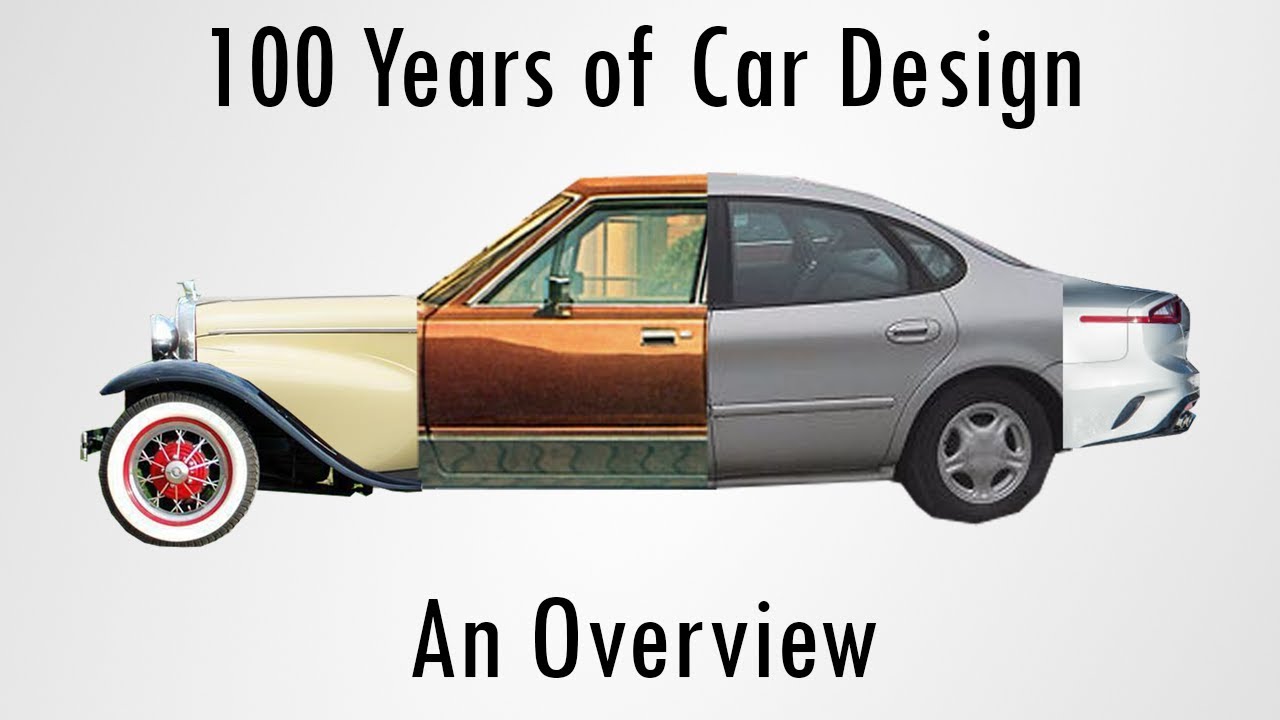
Imagine traveling back in time and watching a car from the 1920s drive past a modern electric vehicle. One looks elegant and mechanical, while the other appears sleek, futuristic, and packed with technology. Both are cars, yet their designs tell completely different stories about the world that created them.
Over the past century, car design has changed dramatically. Automobiles have evolved from tall, rounded vehicles with separate fenders into streamlined machines with advanced safety features, digital dashboards, and electric powertrains. These changes have been influenced by engineering breakthroughs, economic conditions, popular culture, road safety, and changing customer expectations. Museums documenting automotive history show how design has always developed alongside manufacturing technology and society.
In this guide, we’ll explore 100 years of car design, decade by decade, and discover the distinctive styles, famous models, and innovations that shaped the vehicles we see today.
1. The 1920s: The Age of Classic Elegance

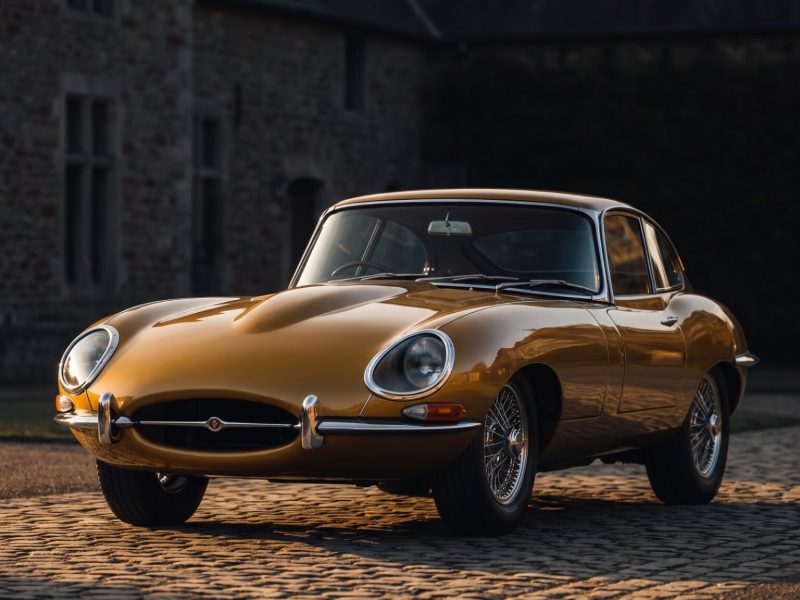
Image 1. A classic automobile inspired by the styling of the 1920s.
The 1920s marked an important period in the transition from early motorcars to more recognizable modern automobiles. Cars were becoming more accessible, and manufacturers were paying greater attention to comfort, appearance, and the experience of driving.
Many vehicles still featured tall bodies, exposed running boards, separate fenders, upright windscreens, and prominent headlights. Open touring cars remained popular, while enclosed bodies increasingly offered passengers greater protection from wind, rain, and dust.
What defined car design in the 1920s?
- Separate body components: Fenders, headlights, and running boards often looked like individual pieces.
- Longer, more refined shapes: Some models developed longer hoods and more elegant proportions.
- Improved passenger comfort: Enclosed cabins and practical body styles became more common.
- Decorative details: Polished metal, distinctive radiator grilles, and carefully finished interiors helped vehicles stand out.
The Ford Model T, produced until 1927, was a major symbol of affordable motoring, while luxury manufacturers explored more elaborate styling. The decade helped establish the automobile as both useful transportation and an expression of personal taste.
2. The 1930s: Streamlining and Art Deco Influence

Image 2. Streamlined curves and Art Deco-inspired elegance became influential during the 1930s.
During the 1930s, automobile designers began moving away from the boxier shapes of earlier vehicles. Influenced by streamlining and the wider Art Deco movement, they experimented with flowing curves, sloping grilles, integrated headlights, and more unified bodywork.
The goal was not simply to make cars attractive. Designers and engineers were also exploring how body shape could affect airflow, stability, and performance.
Key design developments
- Smoother bodywork: Separate fenders increasingly blended into the overall vehicle shape.
- Sloping profiles: Rounded roofs and tapered rear sections created a more dynamic appearance.
- Integrated features: Headlights and other components became more visually connected to the body.
- Greater emphasis on styling: Automakers increasingly treated appearance as an important part of a car’s identity.
The decade produced memorable luxury and performance cars, including the Bugatti Type 57 family. By the late 1930s, the automobile was increasingly viewed as a carefully designed product rather than merely a motorized carriage.
3. The 1940s: Practicality and Postwar Transformation

Image 3. Rounded postwar styling helped establish a more integrated automobile silhouette.
The 1940s were shaped by World War II, which interrupted civilian vehicle production in many countries. Industrial resources were redirected toward military needs, and practicality became especially important.
After the war, manufacturers began introducing new passenger cars that reflected changing engineering priorities. One significant development was ponton styling, in which the fenders and body sides formed a more continuous shape instead of appearing as separate structures.
How car design changed
- Integrated fenders: The body became visually smoother and more unified.
- More enclosed cabins: Designers increasingly emphasized passenger space and weather protection.
- Simpler proportions: Practical construction influenced the shape and layout of vehicles.
- A new postwar identity: Modern-looking cars symbolized recovery and renewed consumer demand.
Models such as the 1946 GAZ-M20 Pobeda and the 1947 Studebaker Champion illustrate different approaches to the emerging postwar aesthetic. The decade laid important groundwork for the modern family sedan.
4. The 1950s: Chrome, Tailfins, and Jet-Age Styling

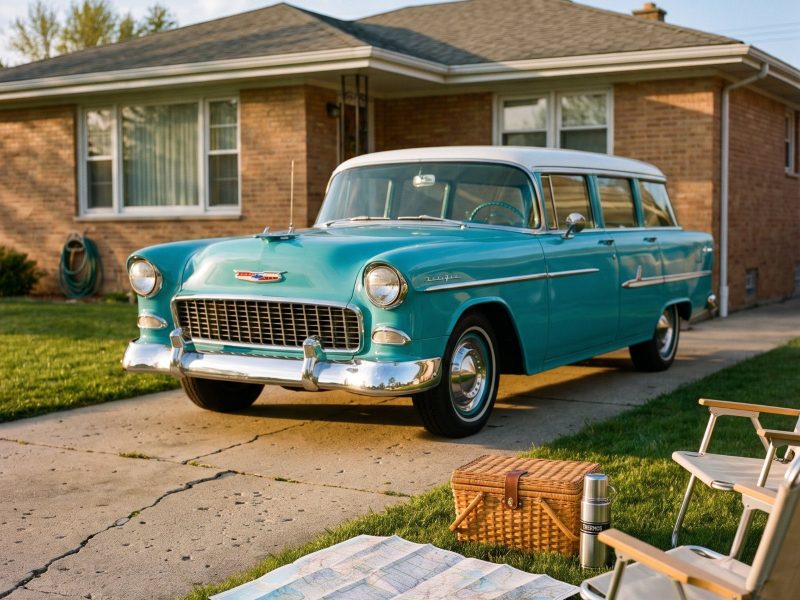
Image 4. Large tailfins and decorative chrome captured the optimistic spirit of 1950s American automotive styling.
Few decades are as instantly recognizable as the 1950s. In the United States, many cars became larger, brighter, and more expressive. Designers borrowed visual cues from aircraft and the excitement surrounding the Space Age, creating automobiles with dramatic tailfins, expansive chrome trim, and distinctive body colors.
Manufacturers increasingly used styling to make new model years look different from previous ones. The Smithsonian’s National Museum of American History documents how tailfins and annual styling changes became important parts of automotive marketing.
The signature features of the 1950s
- Tailfins: Raised rear fins created a dramatic, futuristic silhouette.
- Chrome details: Shiny bumpers, grilles, and trim added visual impact.
- Two-tone paint: Contrasting colors highlighted different sections of the body.
- Comfort-focused interiors: Wider seats and decorative dashboards made cars feel more luxurious.
American cars often emphasized size and visual drama, while many European manufacturers developed smaller, more economical vehicles. The Volkswagen Beetle, Fiat 500, and Citroën DS demonstrate how varied automotive design could be during the same era.
5. The 1960s: Muscle Cars, Compact Cars, and New Attitudes

Image 5. The long hood and short rear deck became defining proportions of the American pony car.
The 1960s brought a fresh range of automotive styles. Some buyers wanted powerful-looking cars with sporty proportions, while others preferred compact vehicles that were easier to park and economical to operate.
The American pony car became one of the decade’s most influential designs. With its long hood, relatively short rear deck, and sporty profile, the Ford Mustang helped popularize a new category of affordable-looking performance car.
Important design trends
1. Sporty proportions
Long hoods, sculpted body panels, and lower rooflines gave many coupes a confident appearance.
2. Compact European and Japanese cars
Smaller vehicles offered practical alternatives to large sedans and coupes.
3. More individual styling
Manufacturers explored different grille shapes, body lines, colors, and interior layouts.
4. Stronger brand identities
Distinctive silhouettes helped customers recognize a car before reading its badge.
The 1960s demonstrated that a car did not have to be enormous or heavily decorated to make a statement. Simple proportions and a clear design identity could be just as memorable.
6. The 1970s: Fuel Economy and Angular Designs

Image 6. Compact proportions and angular styling became increasingly familiar in the 1970s.
The 1970s changed the way automakers thought about vehicle size and efficiency. Oil crises and rising fuel costs encouraged many buyers to consider smaller, more economical cars. Safety regulations and emissions requirements also influenced the shape and construction of new models.
The oversized styling of some earlier American cars gradually gave way to more restrained designs, although sports cars and luxury vehicles continued to explore bold shapes.
The biggest changes of the decade
- Smaller body sizes: Compact and subcompact cars became important alternatives.
- Sharper lines: Angular body panels and squared-off details gained popularity.
- Practical hatchbacks: Flexible interiors and useful cargo space appealed to everyday drivers.
- Safety-conscious construction: Regulations increasingly affected vehicle structure, bumpers, and other exterior details.
The 1970s showed that car design had to respond to real-world pressures. Appearance still mattered, but efficiency, affordability, and regulatory requirements became major parts of the design process.
7. The 1980s: Boxy Shapes and the Rise of Digital Technology

Image 7. Sharp angles and geometric forms gave many 1980s cars their distinctive look.
Car design in the 1980s often favored straight lines, crisp edges, rectangular headlights, and relatively flat body panels. Some sports cars adopted wedge-shaped profiles that made them look fast even when standing still.
At the same time, improvements in computer-aided design, manufacturing methods, and electronic systems began changing how vehicles were developed.
Design highlights from the 1980s
- Geometric styling: Squared-off bodies and sharp creases defined many models.
- Wedge-shaped sports cars: Low front ends and sloping profiles created a futuristic appearance.
- Improved aerodynamics: Designers increasingly considered airflow and drag.
- More advanced interiors: Digital displays and electronic features began appearing in selected vehicles.
Not every car followed the same formula. Luxury sedans often retained conservative proportions, while sports cars explored more dramatic shapes. This variety made the decade an important bridge between traditional styling and computer-assisted automotive design.
8. The 1990s: Smooth Curves and Everyday Practicality

Image 8. Rounded contours and aerodynamic bodywork became increasingly common during the 1990s.
In the 1990s, many manufacturers moved away from the sharp, boxy look associated with the previous decade. Smooth curves, rounded headlights, integrated bumpers, and more aerodynamic profiles became widespread.
Computer-aided design helped engineers refine body shapes and explore different design options. Meanwhile, buyers continued to demand vehicles that were dependable, comfortable, and practical.
What made 1990s car design distinctive?
- Rounded bodywork: Softer shapes replaced many hard exterior edges.
- Integrated bumpers: Front and rear bumpers increasingly blended into the body.
- Better packaging: Designers worked to balance cabin space, cargo room, and exterior dimensions.
- Performance with usability: Sports cars and everyday family vehicles both benefited from more refined engineering.
Cars such as the Mazda MX-5 Miata showed how simple proportions could create an appealing sports car without excessive size or decoration. Across the market, design was becoming a more integrated balance of style, function, and engineering.
9. The 2000s: Bold Styling and a More Global Car Market

Image 9. Sculpted bodywork and prominent lighting helped define many cars of the 2000s.
As the new millennium began, automakers experimented with more dramatic body shapes, sculpted side panels, prominent grilles, and distinctive headlight designs. Global competition encouraged manufacturers to develop recognizable styling identities for customers across different markets.
Technology was also becoming a more visible part of a vehicle’s appearance. New lighting systems, parking sensors, navigation displays, and other electronic features influenced both exterior details and interior layouts.
The defining trends
Sculpted surfaces: Body panels gained stronger curves, creases, and contrasting shapes.
Distinctive front ends: Large grilles and expressive headlights helped establish brand identity.
Growing SUV popularity: Taller vehicles became increasingly prominent, influencing the proportions of family cars.
More connected interiors: Navigation screens and electronic controls became more common, although equipment varied widely by model and price.
The 2000s helped establish the design language of many contemporary vehicles. Manufacturers were no longer designing just around the engine and body; they were increasingly considering electronics, driver convenience, and the entire ownership experience.
10. The 2010s: LEDs, Touchscreens, and the Electric-Car Shift

Image 10. Clean body surfaces and distinctive LED lighting became familiar features of modern cars.
The 2010s marked a major transition toward connected vehicles and electric mobility. Electric cars encouraged designers to rethink familiar features, including front-end styling, cabin packaging, and the placement of mechanical components.
At the same time, conventional petrol and diesel cars continued to evolve. LED headlights and taillights created new possibilities for distinctive lighting signatures, while touchscreens and digital displays transformed many dashboards.
Major developments
- LED lighting: Slim, recognizable lighting shapes became a strong design feature.
- Digital dashboards: Screens increasingly replaced some traditional instruments and controls.
- Aerodynamic bodies: Designers worked to reduce drag and improve efficiency.
- Electric vehicle platforms: Some models used their packaging flexibility to create new interior layouts.
- Driver-assistance technology: Cameras, radar sensors, and other systems became part of vehicle design.
The shift was not identical across every brand. Some cars retained traditional grilles and familiar proportions, while others adopted smoother front ends and minimalist cabins. Nevertheless, the decade established electric mobility as a major influence on automotive design.
11. The 2020s: Electric Vehicles, Minimalism, and Sustainable Design

Image 11. Modern electric vehicles explore new proportions, distinctive lighting, and streamlined forms.
In the 2020s, car design is being shaped by electrification, software, sustainability, and changing expectations about what a vehicle should do. Electric vehicles do not need the same engine packaging as traditional cars, giving designers new opportunities to rethink cabin space and exterior proportions.
Some manufacturers favor smooth, minimalist surfaces, while others create bold geometric shapes and retro-inspired details. There is no single look for the electric era; the defining feature is the freedom to explore different design solutions.
Five trends shaping today’s car design
1. Electric-first proportions
Dedicated electric platforms can allow longer wheelbases, flatter floors, and more flexible cabin layouts, depending on the vehicle architecture.
2. Distinctive lighting
Thin LED strips, pixel-like patterns, and recognizable daytime running lights help cars stand out.
3. Digital interiors
Large displays, connected services, and software-based controls have become prominent features in many models. Designers must balance these features with ease of use and driver attention.
4. Sustainability
Some manufacturers use recycled plastics, reclaimed textiles, and other alternative materials in selected interior components. The actual environmental benefits depend on the materials and manufacturing processes used.
5. A blend of old and new
Retro-inspired details appear alongside futuristic shapes. Designers sometimes reinterpret familiar design cues rather than abandoning automotive history altogether.
The 2020s are still unfolding, so the most influential designs of the decade may not yet have appeared. What is already clear is that electric powertrains and digital technology are expanding the possibilities for automotive design.
12. How Car Design Has Changed Over 100 Years
Looking across the decades, several major developments stand out. The changes have not happened in a straight line: some older styles have returned, and different countries and manufacturers have followed different paths.
| Era | Common design characteristics | Main influence |
|---|---|---|
| 1920s | Separate fenders, upright cabins, polished details | Mass production and growing car ownership |
| 1930s | Flowing curves and streamlined bodies | Aerodynamics and Art Deco |
| 1940s | Integrated bodywork and practical shapes | Wartime conditions and postwar recovery |
| 1950s | Tailfins, chrome, dramatic proportions | Consumer optimism and jet-age styling |
| 1960s | Pony cars, compact cars, sporty profiles | Performance and changing tastes |
| 1970s | Angular shapes and smaller vehicles | Fuel economy and regulation |
| 1980s | Geometric styling and wedge-shaped cars | Aerodynamics and emerging electronics |
| 1990s | Rounded bodies and integrated bumpers | Refinement and computer-aided design |
| 2000s | Sculpted panels and bold front ends | Global competition and electronics |
| 2010s | LED lighting, digital cabins, EV-inspired shapes | Connectivity and electrification |
| 2020s | Electric-first packaging and varied futuristic styles | Software, sustainability, and new platforms |
13. Step-by-Step Image Guide for Your Blog
To make the article more engaging and easier to follow, use a consistent visual sequence. Each image should illustrate the era discussed in the matching section.

Step 1 — The 1920s classic car
Suggested filename: 1920s-classic-car-design.jpg
Alt text: Classic 1920s automobile with separate fenders and vintage headlights.

Step 2 — Streamlined 1930s styling
Suggested filename: 1930s-streamlined-car-design.jpg
Alt text: Elegant 1930s automobile showing streamlined curves and integrated bodywork.

Step 3 — Postwar body design
Suggested filename: 1940s-postwar-car-design.jpg
Alt text: Vintage 1940s sedan with rounded bodywork and integrated fenders.

Step 4 — The 1950s tailfin era
Suggested filename: 1950s-tailfin-car-design.jpg
Alt text: 1950s American classic car featuring large tailfins and chrome trim.

Step 5 — The 1960s sporty coupe
Suggested filename: 1960s-sporty-car-design.jpg
Alt text: 1960s sporty coupe with a long hood and short rear deck.

Step 6 — The 1970s compact car
Suggested filename: 1970s-compact-car-design.jpg
Alt text: Angular 1970s compact car with practical proportions.

Step 7 — The 1980s wedge shape
Suggested filename: 1980s-wedge-sports-car.jpg
Alt text: Angular 1980s sports car with a low wedge-shaped profile.

Step 8 — The 1990s aerodynamic car
Suggested filename: 1990s-aerodynamic-car-design.jpg
Alt text: 1990s sports car with smooth curves and rounded bodywork.

Step 9 — The 2000s sculpted car
Suggested filename: 2000s-sculpted-car-design.jpg
Alt text: 2000s sports coupe with sculpted body panels and prominent headlights.

Step 10 — The 2010s electric-car influence
Suggested filename: 2010s-electric-car-design.jpg
Alt text: Modern 2010s electric sedan with an aerodynamic body and LED lighting.

Step 11 — The 2020s electric vehicle
Suggested filename: 2020s-futuristic-electric-car.jpg
Alt text: Modern electric vehicle with geometric styling and distinctive LED lights.
Image note: These are visual search suggestions for matching each era. Before publishing, select images with appropriate licensing or use original images you own. Add descriptive alt text, and compress image files to help pages load quickly.
14. What Does the Future of Car Design Look Like?

Image 12. A conceptual look at possible future automotive design directions.
The next generation of car design will likely be influenced by developments in battery technology, software, materials, and automated driving assistance. However, future vehicles will still need to meet everyday needs: protecting passengers, offering useful storage, remaining comfortable, and being practical to manufacture and maintain.
Some potential directions include:
- More flexible cabins: Electric platforms may allow manufacturers to rethink seating and storage arrangements.
- Smarter interfaces: Displays and controls may become more personalized and better integrated into the cabin.
- Lower environmental impact: Designers may increasingly consider material sourcing, repairability, and the full lifecycle of a vehicle.
- More recognizable lighting: Exterior lights may play an even bigger role in communicating a brand’s identity.
- A wider range of shapes: Aerodynamics, battery placement, and customer preferences will continue to influence the form of future cars.
These are possibilities rather than guarantees. The most successful designs will be those that combine innovation with safety, usability, and a clear sense of identity.
Conclusion: A Century of Creativity on Four Wheels
The story of car design over the last 100 years is about much more than changing shapes. It reflects how people live, what they value, and how technology responds to their needs.
The 1920s celebrated classic elegance. The 1930s explored streamlined forms. The 1950s embraced chrome and dramatic tailfins, while the 1960s brought sporty proportions and compact alternatives. Later decades focused increasingly on efficiency, aerodynamics, safety, digital technology, and electrification.
Today, car designers face a new challenge: creating vehicles that look distinctive while meeting expectations for efficiency, comfort, connectivity, and sustainability.
One thing remains constant throughout this history: great car design brings together appearance, engineering, and the needs of the people who use it. As automotive technology continues to evolve, the next century of design promises to be just as fascinating as the last.