
The yellow car became an unforgettable visual symbol of speed, freedom, rebellion, and vintage Hollywood style.
There is something special about a yellow car on a movie screen. Against dusty desert roads, crowded city streets, and sunlit California highways, its bright paint demands attention. It can make a vehicle look adventurous, mischievous, glamorous, or just a little dangerous.
The 1970s were a golden age for car culture in cinema. Muscle cars roared through action scenes, compact cars became unlikely stars, and long highway journeys reflected a fascination with independence and life on the open road. Yellow vehicles fit naturally into this colorful world.
But was there really a yellow car in every 1970s movie? Not quite. The title is a playful nod to a memorable visual trend, rather than a literal fact. Some famous film cars were yellow, while others were different colors altogether. The real story is even more interesting: why did brightly colored cars leave such a lasting impression on movie lovers?
In this article, we’ll explore memorable yellow movie cars, the films that helped make automotive design part of pop culture, and the reasons these vehicles still capture our imagination.
1. Why Yellow Cars Stood Out in 1970s Cinema

During the 1970s, car design was bold and expressive. Long hoods, muscular bodywork, chrome bumpers, and distinctive paint colors gave vehicles a personality of their own. A yellow finish could make an already dramatic car impossible to ignore.
Yellow created an instant visual impact
Film directors need viewers to recognize important objects quickly. A bright yellow vehicle stands out against gray city streets, green landscapes, dark garages, and muted desert scenery. It can help an audience remember a car even after a brief appearance.
Yellow suggested energy and adventure
Yellow is commonly associated with sunlight, optimism, and excitement. In a film, it can make a car feel playful and approachable—or loud, reckless, and rebellious, depending on the story.
Cars became characters in their own right
A memorable movie vehicle often does more than transport the hero. Its appearance can communicate personality, status, independence, or danger before the character even speaks.
That is one reason automotive styling matters so much in cinema. A well-chosen car can become part of a film’s identity.
2. The Yellow Mustang in Gone in 60 Seconds (1974)

Step 1: A yellow Mustang-style muscle car captures the aggressive, high-energy look of 1970s car-chase cinema.
One of the most relevant films for this topic is Gone in 60 Seconds, the original 1974 action film directed by H. B. Halicki. The story follows a gang of car thieves attempting to steal a large number of vehicles, building toward an extended chase involving a distinctive yellow 1971 Ford Mustang SportsRoof nicknamed Eleanor.
Why the yellow Mustang mattered
The Mustang’s long hood, sloping roofline, and muscular proportions made it an ideal vehicle for an action film. Its yellow finish added visual contrast, helping viewers follow the car during fast-moving scenes.
The car also represented the appeal of American muscle cars during the era: power, attitude, and a design that looked exciting even when parked.
What made the scene memorable?
- Strong color contrast: Yellow helped the Mustang stand out from the road and surrounding traffic.
- Recognizable styling: Its fastback silhouette was unmistakably from the muscle-car era.
- Action-driven storytelling: The vehicle became central to the film’s dramatic climax rather than simply serving as background transportation.
The original Gone in 60 Seconds helped establish the yellow Mustang as a memorable movie car, long before the better-known 2000 remake introduced a different Eleanor.
3. Yellow Taxis and the Look of 1970s New York

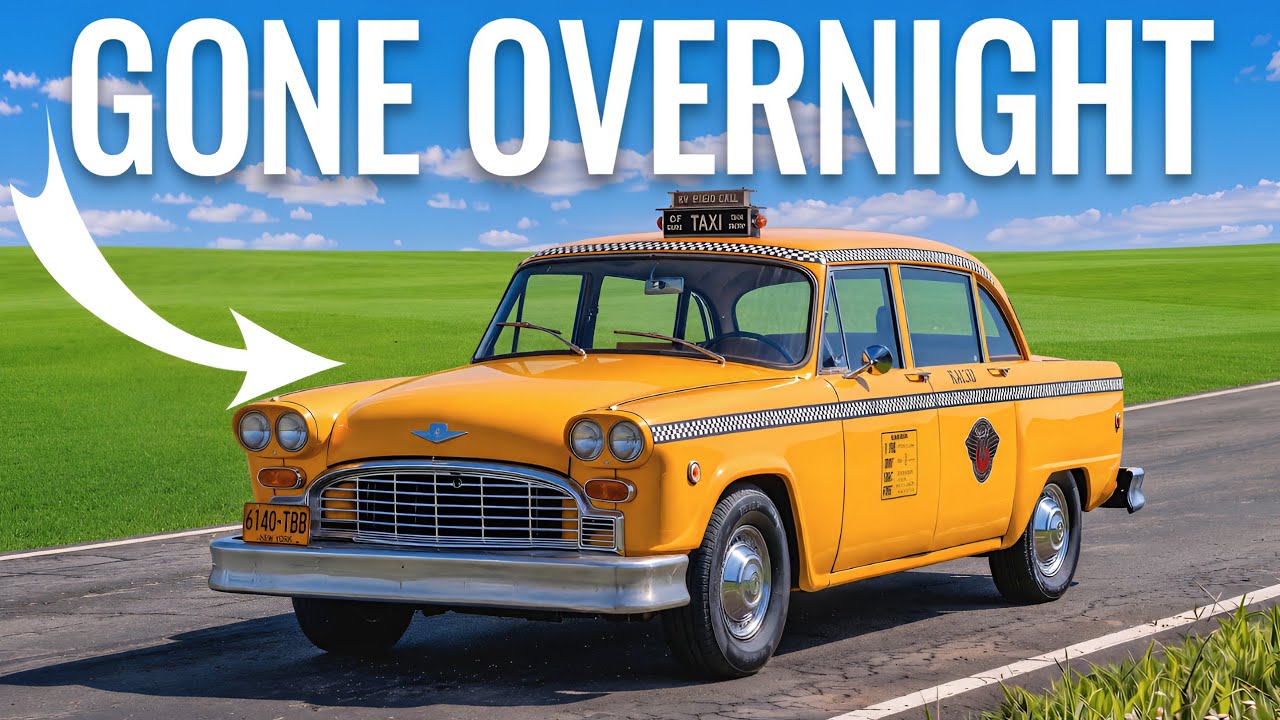
Step 2: The yellow taxi became one of the most recognizable sights in American city films.
Not every memorable yellow movie car was a sports car. In 1970s urban films, yellow taxis helped establish a sense of place. A familiar cab moving through crowded streets could instantly tell viewers they were in New York City.
The yellow taxi was a working vehicle, not an exotic machine. Its role was to carry passengers, navigate traffic, and blend into the rhythm of city life. Yet on screen, its color made it instantly recognizable.
Why filmmakers used yellow taxis
They established the setting. A yellow cab surrounded by older buildings, pedestrians, and busy intersections helped create an authentic urban atmosphere.
They added movement to the frame. Bright taxis provided visual contrast in streets filled with gray pavement, dark clothing, and neutral-colored buildings.
They reflected everyday life. Unlike glamorous sports cars, taxis represented the ordinary journeys and working routines of city residents.
This is one reason yellow cars appear so naturally in the visual memory of 1970s cinema. Sometimes a vehicle becomes iconic not because it is the star, but because it helps make a fictional world feel real.
4. The French Connection (1971): Cars as Part of the City’s Character

Step 3: Period taxis and everyday traffic help recreate the gritty atmosphere of early-1970s crime cinema.
William Friedkin’s The French Connection is famous for its rough-edged portrayal of police work and its intense New York setting. The film’s automotive imagery belongs to a wider world of ordinary sedans, traffic, street scenes, and vehicles moving through the city.
Its famous car chase centers on a Pontiac LeMans pursuing an elevated train, not on a yellow sports car. That distinction matters: the movie demonstrates how vehicles can create cinematic tension even when their paint color is not the main attraction.
The lesson from 1970s crime films
- Cars helped make urban environments feel lived-in.
- Traffic and street movement contributed to the sense of danger and urgency.
- Period-accurate vehicles strengthened the film’s atmosphere.
- Everyday vehicles could become memorable through the way directors filmed them.
Yellow cars and taxis were part of this visual landscape, but it would be misleading to describe The French Connection as a movie built around a signature yellow car.
5. Herbie and the Yellow-Car Confusion

Step 4: Herbie is a reminder that the most famous cheerful movie car of the era was not actually yellow.
When people remember colorful movie cars from the late 1960s and 1970s, one name often comes up: Herbie, the Volkswagen Beetle with a mind of its own.
There is an important detail, however. Herbie is white, with red and blue racing stripes and the number 53, not yellow. Disney’s original The Love Bug was released in 1968, just before the 1970s began. Its popularity continued into the following decade through later Herbie films and television appearances.
Disney Movies
Why Herbie belongs in this story
Herbie shows that color is only one part of a movie car’s personality. The Beetle’s rounded shape, racing number, and playful behavior made it recognizable across generations.
Compared with the aggressive yellow Mustang in Gone in 60 Seconds, Herbie represented a completely different kind of automotive fantasy: a small, friendly car that seemed to have a personality of its own.
The comparison reveals the variety of car culture on screen. One vehicle could symbolize speed and rebellion, while another represented humor, friendship, and family entertainment.
6. The Yellow Car as a Symbol of Freedom and Rebellion

Step 5: A bright car on an open road captures the freedom associated with classic road movies.
Why does a yellow car look so right in a 1970s road movie? The answer lies in the relationship between color, car design, and storytelling.
The decade produced films that explored independence, mistrust of authority, personal ambition, and life outside conventional expectations. Cars were perfect tools for these stories because they could take characters away from familiar places and into uncertain territory.
Yellow made the vehicle impossible to ignore
A dark car can blend into a nighttime scene or a shadowy street. Yellow creates a strong visual statement. It can make a vehicle appear playful in a comedy or defiant in an action sequence.
The open road became a visual promise
A car moving toward the horizon can suggest escape, discovery, or a new beginning. A bright paint color adds to that feeling, creating an image that is easy to remember.
The car communicated personality
A yellow muscle car might suggest confidence and risk-taking. A small, brightly painted compact car could feel cheerful or unconventional. The meaning depends on the vehicle, the character, and the way the scene is filmed.
Yellow itself did not define the entire decade. Rather, it was one of several colors that helped filmmakers make cars visually expressive.
7. How to Photograph a 1970s-Inspired Yellow Movie Car

Step 6: Warm lighting, period-appropriate surroundings, and a low camera angle can recreate a retro automotive mood.
If you are creating your own automotive blog images or Pinterest content, you can capture the atmosphere of classic car cinema without copying a specific movie frame.
Step 1: Choose the right vehicle
Look for a classic muscle car, a vintage taxi, or a compact car with a recognizable 1970s silhouette. The vehicle should suit the story you want to tell.
Step 2: Find a fitting background
A quiet highway, an old service station, a roadside diner, or a city street can create a convincing period mood. Avoid modern signage and contemporary vehicles if you want a historically inspired look.
Step 3: Use warm natural light
Photographing near sunrise or sunset can produce golden highlights and long shadows. This lighting often complements yellow paint beautifully.
Step 4: Experiment with camera angles
A low front three-quarter angle emphasizes the hood, grille, and wheels. A side view highlights the roofline and overall body shape, while a rear view can emphasize tail lights and muscle-car proportions.
Step 5: Keep the image authentic
If your goal is historical accuracy, research the particular model, year, trim, and original paint options. A yellow car inspired by the decade should not automatically be presented as a specific vehicle from a film.
Image copyright tip: Use photographs you have permission to publish, properly licensed stock imagery, or your own original images. A visual resemblance to a film car does not make a photograph an official movie still.
8. Why We Still Love These Classic Movie Cars

The fascination with classic movie cars has not disappeared. Collectors restore vintage vehicles, enthusiasts build replicas inspired by famous films, and new audiences discover older car-chase movies through streaming services and online video clips.
Yellow remains a popular choice for automotive photography because it is bright, expressive, and easy to recognize. A well-photographed yellow classic car can instantly evoke the spirit of an earlier era.
The appeal also comes from nostalgia. For some viewers, a vintage car recalls the films they watched growing up. For others, it offers a glimpse into a period when automotive design had its own distinctive character.
Ultimately, a memorable movie car is about more than its paint color. It is about the story attached to it, the character behind the wheel, and the moment that stays with the audience long after the credits roll.
Conclusion: The Yellow Car Was Never Just a Car
The idea of a yellow car in every 1970s movie may be an exaggeration, but it captures something genuine about classic cinema. Cars were powerful visual symbols, and bold colors helped filmmakers create memorable scenes.
The yellow Mustang Eleanor from Gone in 60 Seconds (1974) is a particularly strong example. Meanwhile, yellow taxis helped establish the atmosphere of urban films, and Herbie demonstrated how a vehicle of a completely different color could become an equally beloved character.
So the next time you watch a classic movie, pay attention to the vehicles in the background as well as the cars in the spotlight. You may discover that a small detail of color, shape, or styling tells you more about the film’s world than you first realized.
Sometimes, the car doesn’t just appear in the story. It becomes part of the reason we remember it.